Virtual Urgent Care Visits
With Franciscan Virtual Visit, we save you a trip to the urgent care visit by bring the doctor to you from virtually anywhere.
Search the site for providers, locations, and content.
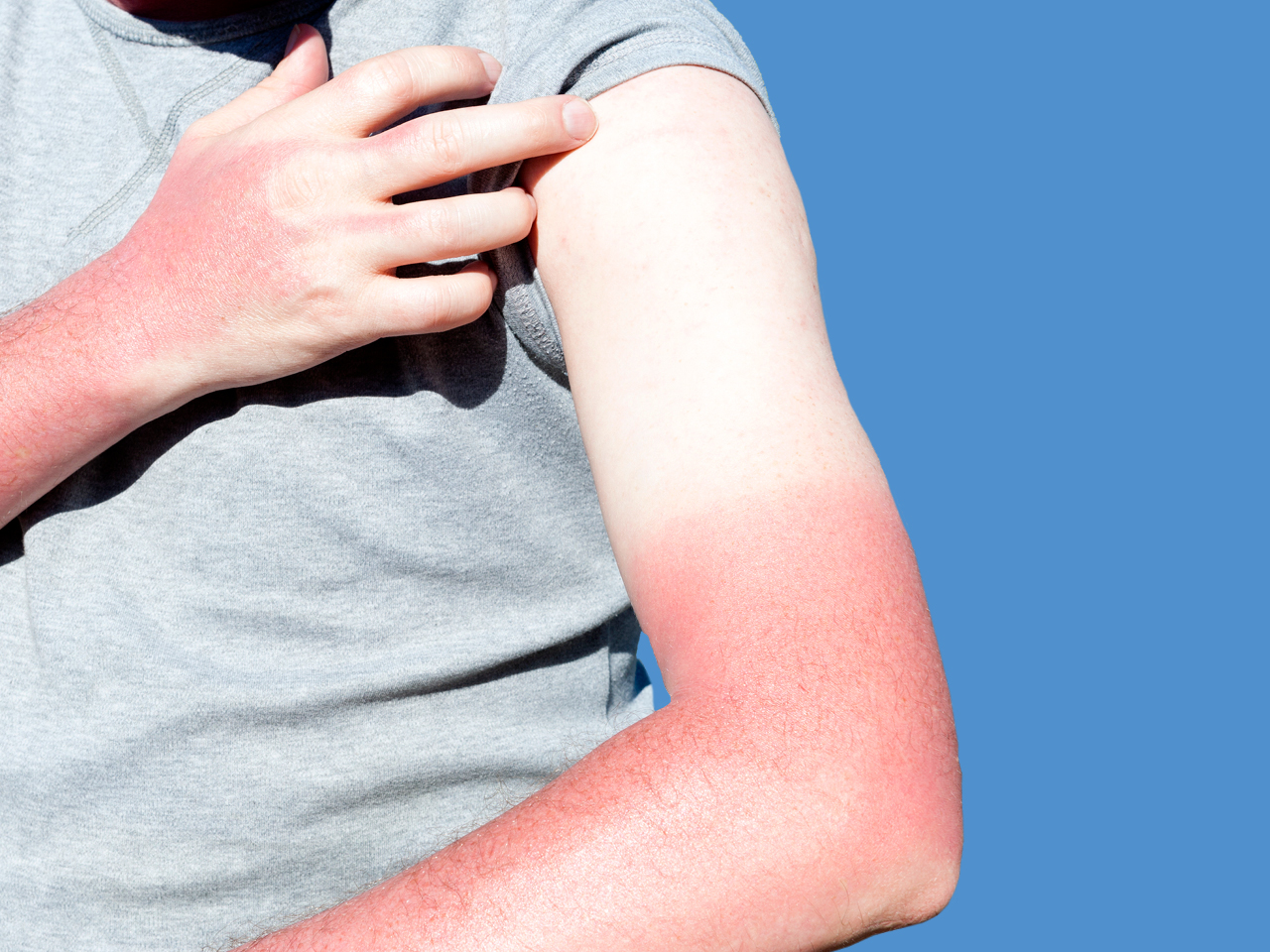
Summertime brings a boatload of fun activities for the whole family - but one summer side effect that isn't fun is the dreaded sunburn.
Sunburns can vary in severity, ranging from mild redness and discomfort to more severe blistering and pain. Thankfully, most sunburns can be treated at home and heal in less than a week.
The duration of a sunburn can vary, depending on its severity. Mild sunburns typically last for a few days to a week, while more severe sunburns with blisters may take longer (7 to 10 days) to heal completely.
Here's a general timeline of how a sunburn progresses:
Treating a sunburn involves soothing the skin, reducing inflammation and promoting healing.
“Cool the skin with lukewarm showers, apply gentle moisturizers like aloe and stay well hydrated,” said Daniel Hekman, MD, family medicine and dermatology physician with Franciscan Physician Network Franklin Township Family Medicine in Indianapolis. “Severe burns, blistering or symptoms like fever should be evaluated by a medical professional.”
Here are some home remedies that you can try to get relief from a scorching sunburn:
It's important to give your body time to heal from the sunburn. To help with the healing process and make you more comfortable, avoid tight-fitting clothing, hot showers and additional sun exposure while your sunburn heals. If you have blisters on your sunburn, do not pop or pick at them.
If you need to be in the sun while your sunburn is healing, wear protective clothing such as sun-protective ultraviolet protection factor (UPF) fabric or breathable cotton clothing. Wear a wide-brimmed hat or use a solar umbrella to protect your skin.
You should see a doctor or healthcare provider for your sunburn if you experience any of the following:
You may not realize it, but several common types of medications can increase your risk of sunburn. These medications are known as "photosensitive" and include the following:
If you take any of these medications, you should take extra steps to protect your skin from a serious burn and damage. Protect yourself by:
“Heat, sweat, sun exposure and environmental allergens can all contribute to irritation,” Dr. Hekman said. “Heat and sun are among the most common triggers of skin sensitivity. Using gentle skin care products and keeping the skin clean and hydrated can help reduce sensitivity.”
Severe sunburns with blistering or symptoms like fever should be evaluated by a medical professional.
Minor burns can be seen in urgent care virtual visits.
“Tanning beds emit harmful UV radiation that the World Health Organization classifies as carcinogens to humans,” Dr. Hekman said. “Indoor tanning is associated with a 27% increased risk of melanoma and a 40% increased risk of non-melanoma skin cancer, with even higher risks when exposure begins before age 35.”


Dermatology +1 more
Accepting new patients
Franciscan Physician Network
