Request An Appointment
Don't wait, prioritize your health. Find the right Franciscan Health doctor for your needs, and request an appointment today.
Search the site for providers, locations, and content.
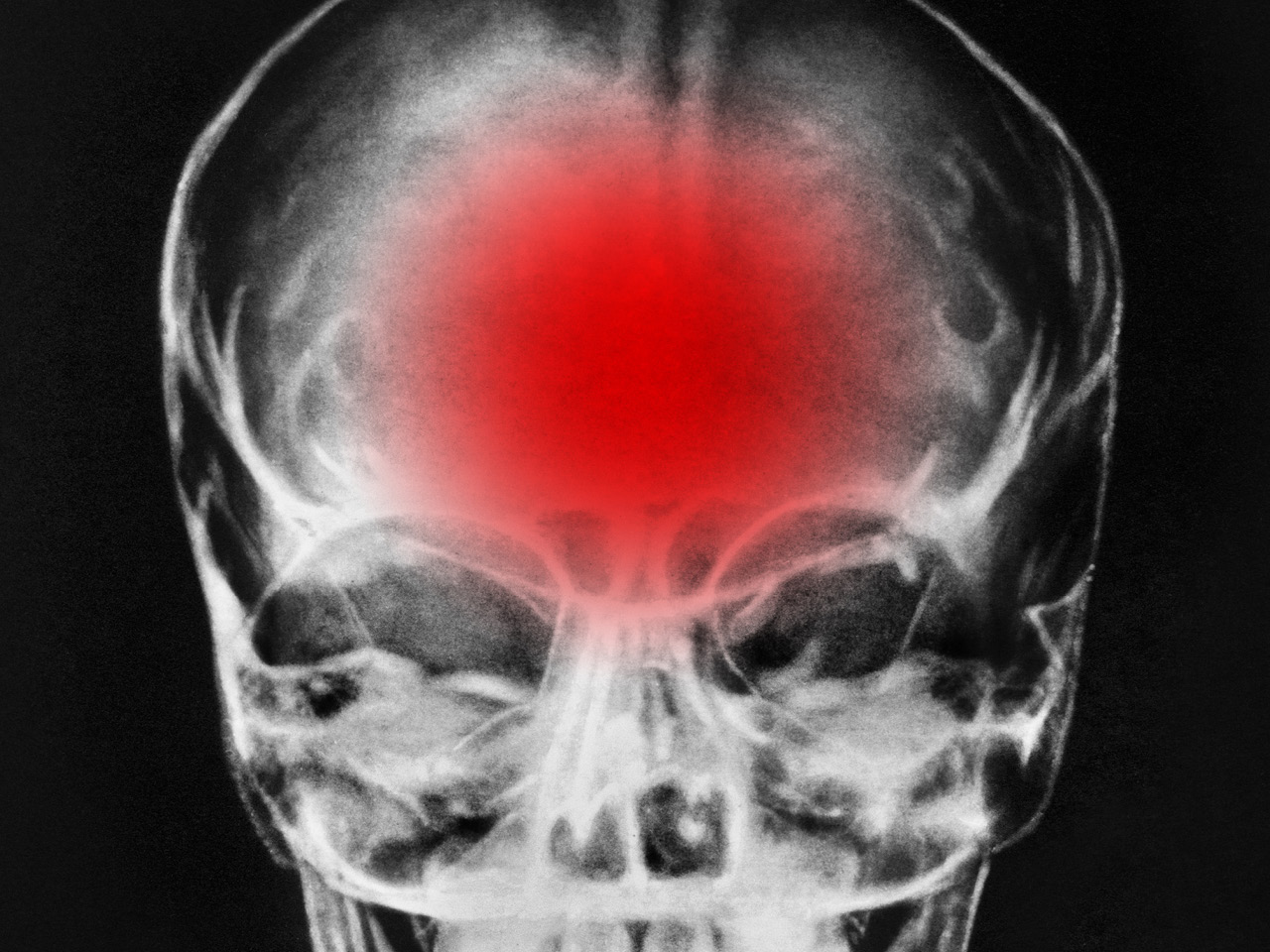
Headaches, dizziness, brain fog and mood changes after a fall or collision may be signs of a concussion.
Concussions are more common than many realize, with as many as 3.8 million occurring each year in the United States. Because they are so common, parents, coaches and physicians are on high alert for concussion symptoms after they witness a fall, accident or sports injury.
A concussion is “actually a type of traumatic brain injury," said Franciscan Health speech-language pathologist Kayla McConnell. "It’s often classified as mild, but it can still cause big changes in the way the brain functions.”
That disruption can show up in thinking, memory, mood or physical abilities.
A concussion can happen in a flash from a blow, bump or sudden jolt to the head or body. That movement causes the brain to bounce or twist inside the skull, creating chemical and structural changes that can leave a person struggling with symptoms.
Sachin Mehta, MD, a physical medicine and rehabilitation physician who practices at Franciscan Physician Network Rehabilitation and Spine Specialists Indianapolis, added that while a concussion is considered a mild traumatic brain injury, it is still serious. “They’re typically short-term or transient, but at the microscopic level our neurons can get stretched out. This triggers a cascade of chemical changes that can prolong symptoms.”
While anyone can get a concussion, these groups are at higher risk:
Adolescents are especially vulnerable because their brains are still developing. After one concussion, there’s three to five times greater risk of sustaining another.
Sports medicine doctor Matthew Rachwalski, DO, compares the brain to a snow globe: When it gets shaken, everything inside shifts.
“At the cellular level, some of the brain’s cells get stretched or split apart. Fluids and electrolytes shift, and that causes many of the problems we see with concussions,” said Dr. Rachwalski, who sees patients at Franciscan Physician Network Coolspring Health Center in Michigan City, Ind.
Concussion injuries can affect neurons (the brain’s communication pathways), leading to changes in how a person thinks, feels and reacts physically. Those shifts can leave people feeling foggy or mentally tired. “That fogginess is usually a sign of brain fatigue. As people try to go back to normal activities — school, work, physical exercise — the brain struggles to keep up, and fatigue can set in,” Dr. Mehta said.
Common symptoms of a concussion fall into four categories: thinking and remembering, physical, emotional/behavioral and sleep changes.
Sports medicine doctor Blake Averill, DO, said that patients are often surprised by how many symptoms are linked to concussion.
“When patients fill out a symptom checklist, they see 20 or more symptoms that could apply — from headaches and dizziness to mood swings, sleep changes and trouble concentrating," said Dr. Averill, who practices at Franciscan Physician Network Sports Medicine Specialists Stones Crossing in Greenwood, Ind. "Many don’t realize all of that can come from a concussion.”
Concussion symptoms can appear right away or be delayed for hours, even days. Some symptoms can get worse over time, which is why observation and monitoring are important in the hours after an injury.
Some concussion symptoms start right away, but others develop or worsen gradually, according to Joshua Scheidler, MD, a board-certified physical medicine and rehabilitation doctor with the Franciscan Physician Network in Crown Point, Ind.
Concussion awareness in sports is important.
“Coaches and others in school athletic departments should be trained to recognize a concussion and must support athletes being removed from play, at least for the duration of the game, when a concussion is suspected,” Dr. Scheidler said.
Brad Keck, a physical therapist at Franciscan Health Indianapolis, added that collision sports like football, rugby, hockey and lacrosse put players at higher risk, as do soccer collisions and heading the ball.
“But concussions aren’t just for athletes," Keck said. "We also see them from falls, car accidents, fainting spells and even domestic abuse. Anyone at risk of hitting their head is at risk of a concussion.”
Parents can help lower their child’s risk by choosing leagues with clear concussion safety policies, supporting coaches who emphasize safe play and good sportsmanship, and teaching kids to speak up if they feel symptoms after a hit. Even simple changes, like proper tackling technique and choosing lower-contact activities, can help keep young athletes safer.
Most concussions are not life-threatening, but certain concussion symptoms require immediate emergency care:
Persistent vomiting, severe headaches or slurred speech can be red flags for something more serious, such as a brain bleed.
If a family member has suffered a concussion, it’s important to monitor them closely for changes in symptoms. Make sure they rest, limit screen time and avoid physical activities until cleared by a physician. Encourage them to be honest about their symptoms, even if they seem minor.
Concussions are common but serious brain injuries. Recognizing concussion warning signs early can make a big difference in recovery and in preventing further complications.
If you or someone you love might have a concussion, don’t wait and see. Getting checked early can speed recovery and help prevent complications. Franciscan Health providers are here to guide you through every step, from diagnosis to recovery.
Request an appointment or learn more about concussion treatment at Franciscan Health.
You can have a concussion even without hitting your head. Any forceful jolt or rapid change in motion — such as whiplash in a car accident — can cause the brain to move within the skull and result in a concussion.
“It can be a contact to the neck or chest, any quick change of motion," said Dr. Averill. "That’s why you might see concussions in car accidents or whiplash injuries, not just in football or hockey."
Learn more about how concussions are confirmed in our Concussion Diagnosis blog.
Any suspected concussion warrants a medical evaluation. Symptoms that worsen over time, involve loss of consciousness, or include confusion, repeated vomiting, or seizures require emergency care. Visit Franciscan Health's concussion page to learn about our diagnostic and treatment team.
A concussion disrupts the brain's chemical balance at the neuronal level, which can affect mood, concentration, and behavior — not just physical function. If emotional and cognitive symptoms linger, they may signal post-concussion syndrome; read more in our Post-Concussion Syndrome blog.
In severe cases, observation in a hospital may be necessary, especially when a patient lacks a support system at home.
These conditions can raise the risk of more severe symptoms:

Physical Medicine & Rehabilitation
Accepting New Patients
Franciscan Physician Network

Sports Medicine
Accepting New Patients
Franciscan Physician Network
Family Medicine +1 more
Accepting New Patients
Franciscan Physician Network
Physical Medicine & Rehabilitation
Franciscan Physician Network