Request An Appointment
Don't wait, prioritize your health. Find the right Franciscan Health doctor for your needs, and request an appointment today.
Search the site for providers, locations, and content.
Donating breast milk is more than sharing—it’s saving lives. But if you are considering donating breast milk, understanding each step of the process is crucial for ensuring the safety and well-being of the babies who will benefit.
If you are considering donating breast milk, here are 5 things to know about being a milk donor.
Turning to friends or contacts in social media networks to share extra breast milk may be an immediate solution when you can't find formula or have a decrease in milk supply. But getting another mom's breast milk isn’t risk-free, research suggests.
"Informal" sharing, where parents get breast milk either from a nursing mom they know or via the internet, is a practice discouraged by the American Academy of Pediatrics (AAP) and U.S. Food and Drug Administration due to safety concerns.
With informal sharing of breast milk, there is a risk of dilution, or contamination with viruses or bacteria, particularly with donor milk obtained online. Even when breast milk is given to another family for free, with the best of intentions, there could be accidental contamination or temperature instability that causes the milk to spoil.
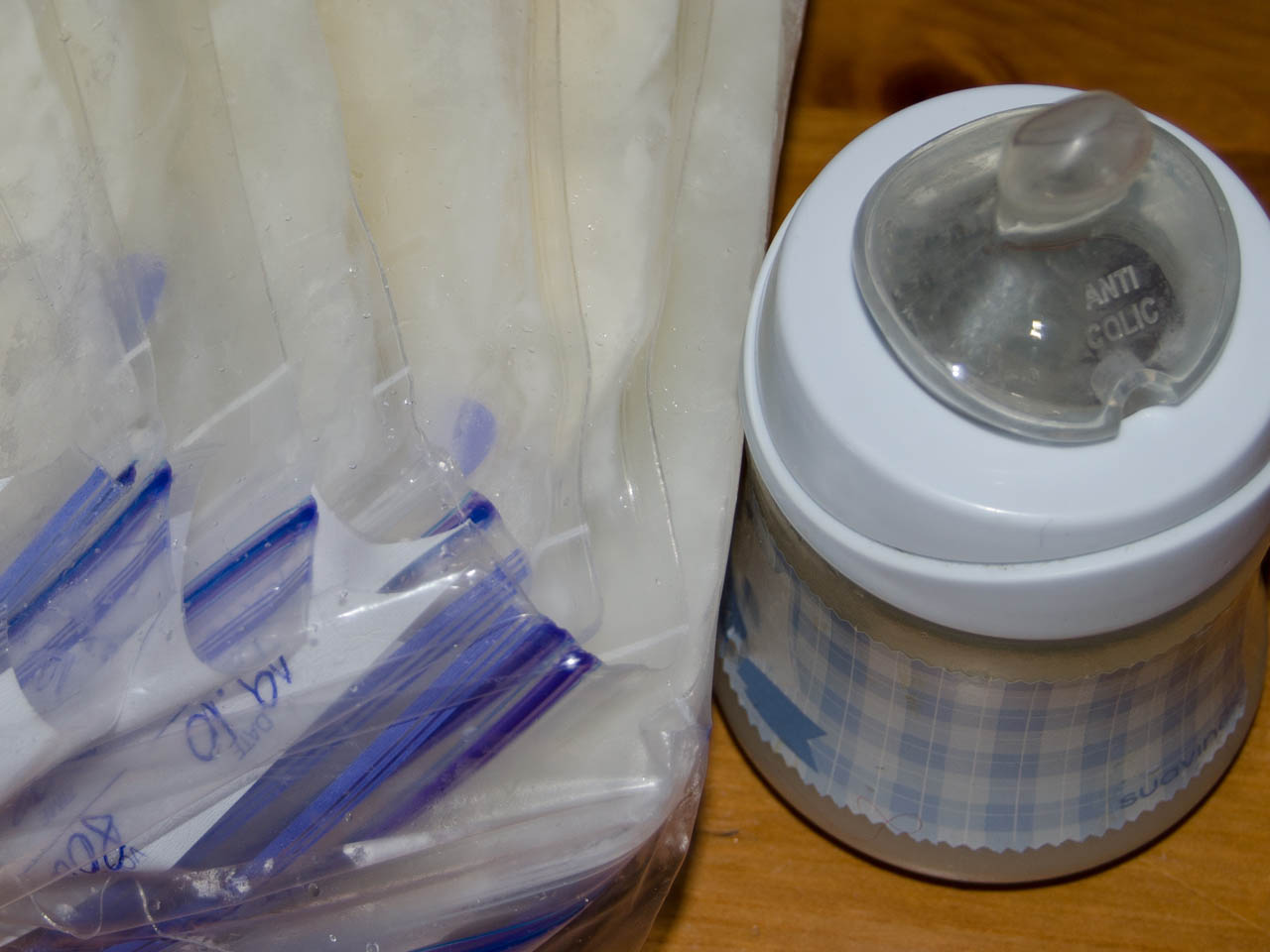
Nursing moms who have extra milk they want to donate can sign up to give to a milk bank. The Indiana milk bank has many convenient drop-off location sites.
Milk donated to milk banks or milk depots are screened, pasteurized and processed for the safety of even the smallest and most fragile babies in hospital NICUs, when often peer-shared milk is not accepted due to safety concerns.
Milk banks have stringent rules on donors, and the formal process to become a milk donor takes two to three weeks to be approved. Once a mother has expressed interest in donating breast milk, they will complete a pre-screening, a health questionnaire and consent forms. Your medical provider will be contacted, and blood testing will be arranged for you, at the milk bank's expense. Once approved, you will receive formal breast milk donation instructions from your milk bank.
Temporary household illnesses, viruses, some medications and substances not considered safe for breastfeeding, such as alcohol or tobacco use, may keep you from being able to donate milk for a period of time.
Many household illnesses will not prevent you from becoming a milk donor, but some may require a temporary deferral if you become sick. Talk to your local milk bank if you have any concerns.
Certain viruses, such as HIV, can be transmitted through breast milk.
Taking medications or having certain conditions or illnesses does not necessarily mean you cannot become a breast milk donor.
Certain medications and supplements may be safe for breastfeeding your child, they but may not meet the center’s milk donation standards for fragile infants. Talk to your milk bank donor coordinator about any medications you may take.
Potential breast milk donors will be asked about use of alcohol, tobacco, CBD products, marijuana and illicit drugs.
Lactating women who have extra milk and want to become a milk donor to help other babies in need are expected to:
Follow these steps to ensure your milk donations are given in the safest manner:
Particularly with the baby formula shortage, milk banks are grateful we are for donors who help them serve babies in the hospital and in the community. Find a Milk Bank near you in Indiana, including Indianapolis, Lafayette, Crawfordsville, Crown Point, Michigan City and Valparaiso.
