Request An Appointment
Don't wait, prioritize your health. Find the right Franciscan Health doctor for your needs, and request an appointment today.
Search the site for providers, locations, and content.
We’ve all heard it before: “Make sure you’re getting enough protein.” But what exactly is protein, and why does this macronutrient matter so much for our overall health?
Jennifer Fabrowicz, NP, a board-certified family medicine nurse practitioner at Franciscan Physician Network in LaPorte, answers these questions.
Protein is one of the body’s vital macronutrients — nutrients we need in large amounts to survive. It serves as the building block for muscle, bone, skin, blood and cartilage. Protein also plays a role in forming enzymes, hormones and antibodies, all of which are essential for your body’s everyday functions.
“There are 20 amino acids in human proteins, and nine are crucial and indispensable because they can only be obtained through a person’s diet,” Fabrowicz explained.
Getting enough protein in your diet does far more than help your body build muscle. This vital nutrient supports hormone and enzyme production, strengthens the immune system, and promotes bone health.
“If a person gets enough protein through their diet, it can help with normal glucose or sugar levels,” Fabrowicz said. “It also helps with bone health and can actually help the body heal from injuries faster.”
According to Fabrowicz, protein contributes to process called protein turnover, which is essential for organ function, body composition and metabolic balance. Eating enough protein can:
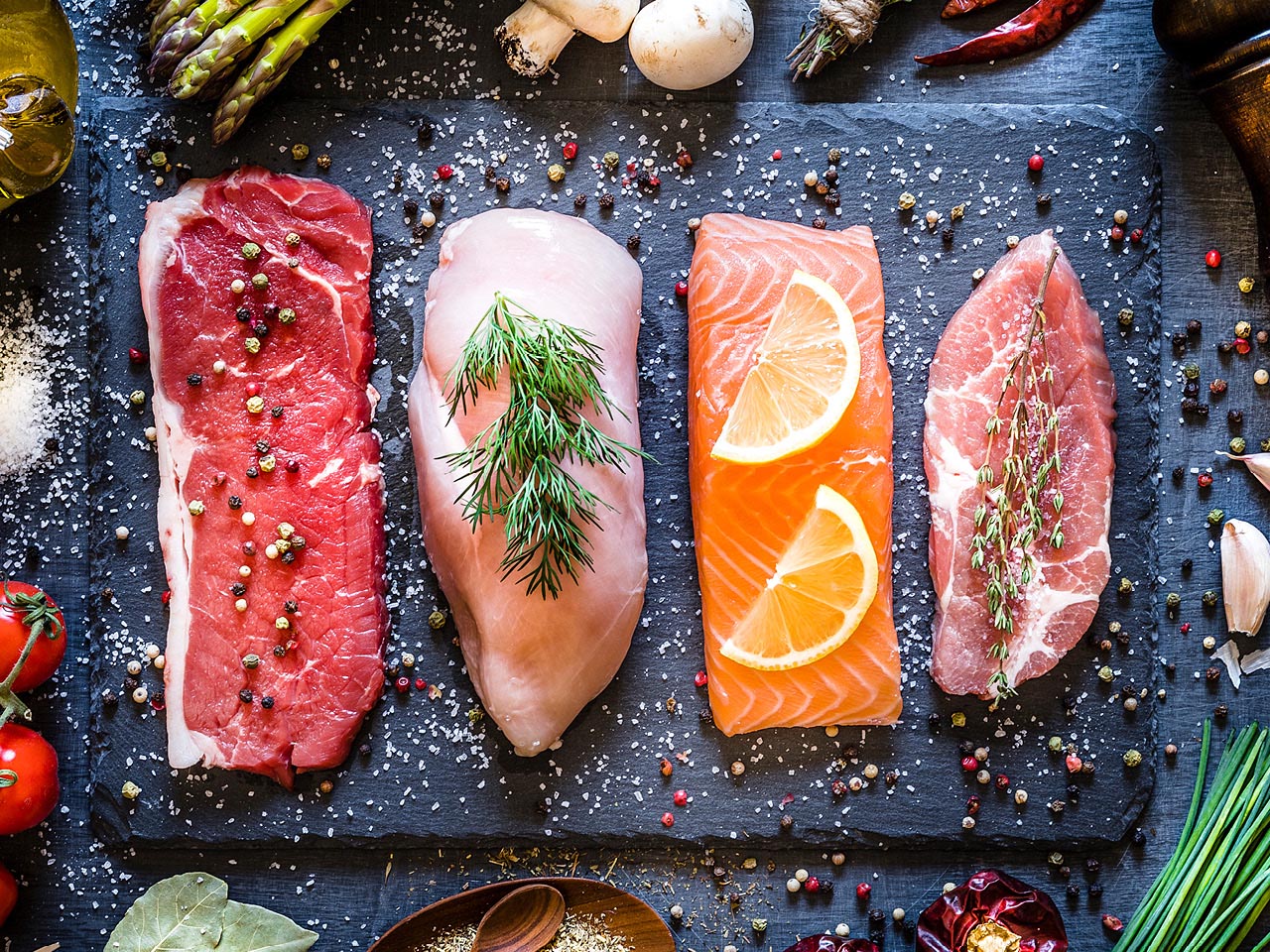
Protein comes from a wide variety of foods, making it easy to incorporate into almost any diet. Common sources include:
However, Fabrowicz advised being mindful about certain protein choices.
“If you’re pregnant or breastfeeding, watch for mercury levels in fish,” she said. “And if you’re eating prepackaged foods, keep an eye on cholesterol, carbs and fat content.”
For most healthy adults, the recommendation is about 0.8 grams per kilogram of body weight per day.
Certain groups need more, including older adults, pregnant or breastfeeding women, athletes in intense training and people recovering from illness, injury or surgery.
Protein is often associated with strength and muscle, but it also plays a role in energy.
“Protein and energy go hand in hand,” Fabrowicz said. “Energy will be taken from your carbohydrates and fats directly influencing how the protein's utilized in your body. So it's important that you get enough carbohydrates and fats, so protein is efficiently used when your energy is taken, when your energy intake is meeting your body's needs.”
In short, a balanced diet ensures protein does its best work.
Protein shakes and supplements can be beneficial for people who struggle to meet their protein needs through food alone.
Fabrowicz noted protein drinks especially helpful for older adults, malnourished patients or athletes looking to build muscle mass.
”It’s suggested that older or malnourished adults, intake 30 grams or more per serving, taken twice daily and or soon after an athlete exercises to help increase muscle mass,” she said. “An example is a protein drink usually contains 10 to 20 grams of protein per a hundred milliliters.”
Not getting enough protein can lead to a variety of health concerns. Symptoms may include weakness, muscle wasting, slow wound healing or a weakened immune system. In more severe cases, protein deficiency can cause growth delays in children, developmental issues or even changes in hair and skin.
Protein is more than just a gym buzzword; it’s a cornerstone of health. It fuels muscle growth, strengthens bones, supports immunity, regulates hormones and promotes healing.
“Protein’s so important for everyone’s regulation of their body tissues and organs,” Fabrowicz said. “They’re the main building blocks for our bone, skin, muscle and other tissues.”
When planning meals or snacks, consider incorporating protein-rich foods, whether that’s Greek yogurt for breakfast, lean chicken at lunch, or legumes at dinner. Your body will thank you.
"Protein can help repair the muscle growth and helps with our hormone and enzyme production," Fabrowicz said. "It's essential in immune system function also. If a person gets enough protein through their diet, it can help with normal glucose or sugar levels. It also helps with bone health and can actually help the body heal from injuries faster."
Symptoms of protein deficiency can vary, Fabrowicz said.
"Common symptoms include generalized weakness, edema, things like muscle wasting, impaired immune function, slow wound healing and hypoalbuminemia," she said. "Other symptoms can include fatty liver, malabsorption, and mild diarrhea. In children, it can result in growth stunting, developmental delays, and thin sparse discolored hair."

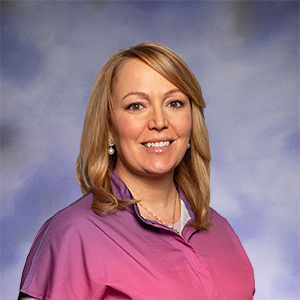
Family Nurse Practitioner
Accepting new patients
Franciscan Physician Network
