Our Providers
Our providers offer comprehensive treatment options. We make it easy to find exceptional providers and get world-class care, right where you live and work.
Search the site for providers, locations, and content.
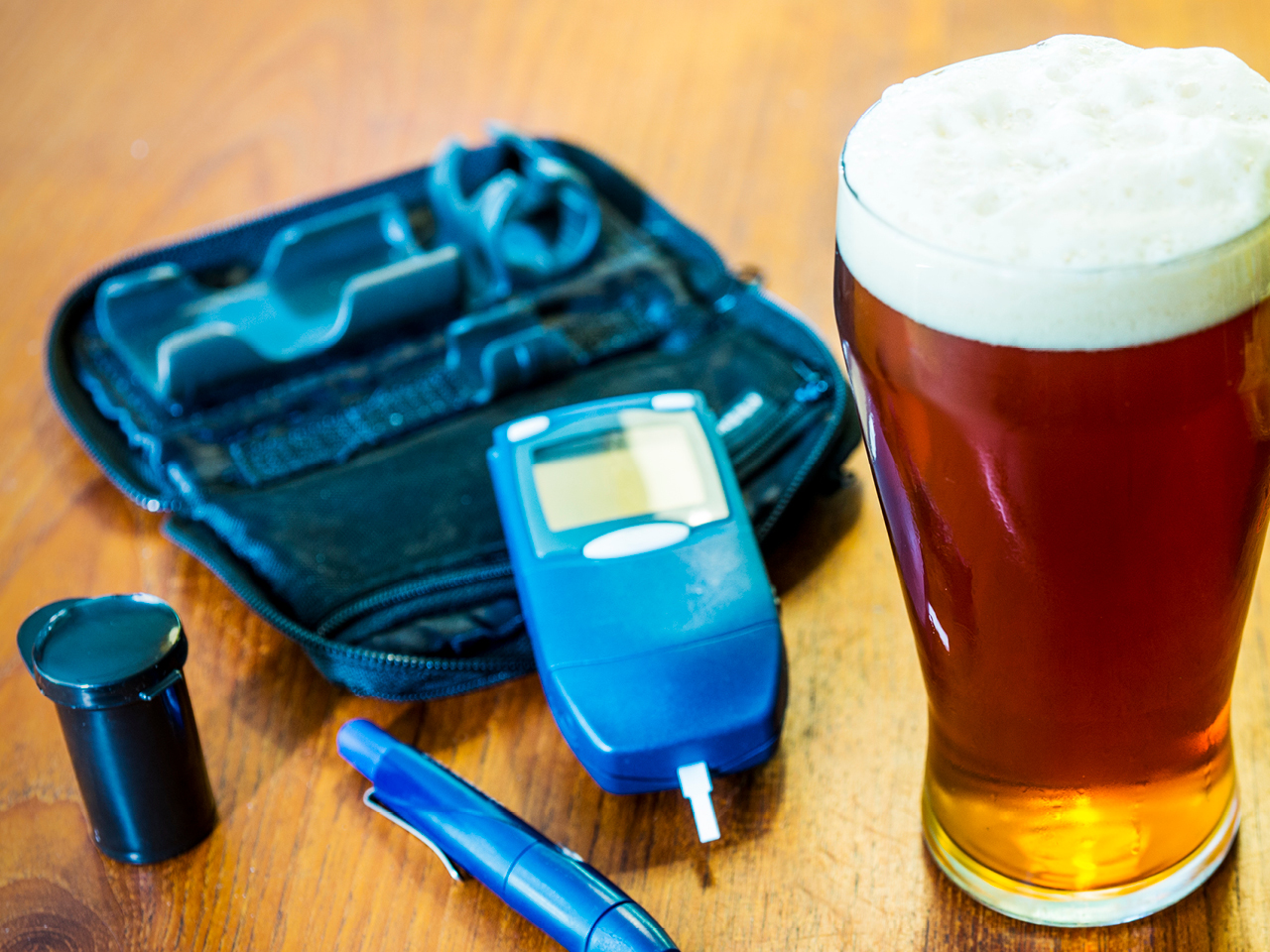
If you have diabetes, what you eat and drink matters, and that includes alcohol. Whether it’s a glass of wine with dinner or a cold beer at a celebration, it’s important to understand how alcohol affects your blood sugar and overall health.
The short answer: sometimes. If your diabetes is well-controlled and you don’t have other health complications, a small amount of alcohol is usually safe. In fact, the Annals of Internal Medicine reported that light drinking might actually help you control your blood sugar, at least in the short term while possibly lowering your risk for heart disease.
The keyword, though, is moderation. Drinking too much alcohol can make your blood sugars harder to manage and increase your risk for serious complications. If you don’t drink, it’s best not to start, the potential benefits don’t outweigh the risks.
The American Diabetes Association recommends:
Even small amounts of alcohol can have effects, so be cautious and check with your doctor if you have diabetes.
Alcohol can have unpredictable effects on blood sugar levels. Here’s why:
If you drink alcohol, make sure you drink while having food, never on an empty stomach. And check your blood sugar before and after drinking so you know how your body responds.
If you choose to drink, opt for lower-calorie, lower-sugar options:
Try to avoid sugary cocktails, sweet wines and high-carb mixers like regular soda, juice, or energy drinks.
Some people with diabetes should steer clear of alcohol entirely. You should avoid drinking if you have:
If you’re unsure whether it’s safe for you to drink, check with your doctor first.
Some studies suggest that light drinking may help raise “good” HDL cholesterol and lower the risk of heart disease for people with diabetes. However, heavy drinking has the opposite effect, raising blood pressure, damaging the liver and increasing the risk of nerve and heart problems.
Too much alcohol can also interfere with your diabetes management. It’s harder to eat well, exercise, take medications or monitor your blood sugar when you’re drinking heavily or recovering from it.
So remember, it’s all about being mindful and using good judgement. If you’re used to enjoying a glass of wine with dinner, moderate alcohol isn’t likely to be harmful but if you don’t drink it’s better to keep it that way.
