Connect With A Cardiologist
Request an appointment with a Franciscan Health cardiologist near you and stay on top of your heart health.
Search the site for providers, locations, and content.
A cancer diagnosis brings life into sharp focus. Suddenly, all you can think about is: What can I do to beat this disease?
As you and your care team work toward answering that question, it’s just as important to ask another: How can I protect my heart before, during and after cancer treatment?
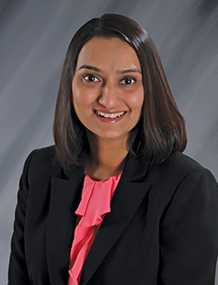
“Cancer itself and many of the medications we use to treat it — such as chemotherapy and immunotherapies — can create potential heart complications,” said Meghana Raghavendra, MD, a medical oncologist at Franciscan Health Cancer Center Indianapolis. “We offer a cardio-oncology program that helps people with cancer identify, prevent and manage that risk.”
Franciscan Health’s team of cardiologists, medical and radiation oncologists, nurse navigators, pharmacists and other specialists works with patients to protect their heart health. The team supports patients during treatment and in the years to come.
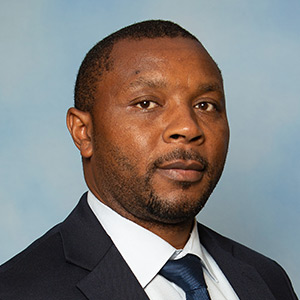
"Cardio-oncology is a newer branch of cardiology that really focuses on patients who have a new diagnosis of cancer, are undergoing treatment," said Roland Njei, MD, a cardiologist and cardio-oncologist with at Franciscan Health Munster. "We focus on preventing, detecting, and treating any complications, any heart or vascular complications from chemotherapy and also chest radiation."
Franciscan Health began its cardio-oncology program in 2016 in Indianapolis. Four years later, the Association of Cancer Care Centers honored it with an Innovator Award. This award recognizes centers for creative and effective approaches to cancer care challenges. The Indianapolis program was named a Gold Center of Excellence by the International Cardio-Oncology Society.
Today, Franciscan Health also offers a cardio-oncology program in Munster that meets the same high standards of care as the Indianapolis location.
Franciscan's cardio-oncology program provides:
Oncologists and cardiologists meet regularly to review complex cases, adjust therapies and plan follow-up.
The cardio-oncology team strives to see patients within a few days of their cancer diagnosis, Dr. Raghavendra said. The goal of this appointment is to establish a clear baseline of heart health.
The care team may:
“Some patients already know they have heart disease,” Dr. Njei said. “But it isn’t uncommon for us to diagnose high blood pressure, high cholesterol or diabetes for the first time at this appointment.”
Dr. Njei talks with patients about their heart health and how to optimize it as cancer treatment begins. Optimization may include lifestyle changes, such as regular physical activity and a heart-healthy diet, as well as medicines, such as statins for high cholesterol.
“We want patients to have the best cardiovascular health possible before cancer treatment begins, because it increases the likelihood they’ll tolerate treatment better,” Dr. Njei explained.
The cardio-oncologist shares their findings with the patient’s cancer team. They provide insights that allow the cancer doctors to choose treatment most likely to control the patient’s disease and reduce risk to the heart.
When cancer treatment is underway, Franciscan’s cardio-oncology team keeps a close watch and responds quickly to concerns. Patients may receive:
The team also reassures patients when questions — and fears — arise.
“A cancer diagnosis is already a lot to deal with. It can be stressful to think that
your heart is at risk, too,” said Kris Garcia, cardio-oncology program coordinator at Franciscan Health Munster. “We try to ease their fears and explain that by monitoring them during treatment, we can keep their heart as healthy and safe as possible.”
Some heart effects can appear years after cancer treatment ends. For instance, radiation near the chest can lead to coronary artery disease or impaired heart function 10 to 20 years later.
In order to address this, the experts with the Franciscan cardio-oncology program provide patients with a structured, long-term follow-up plan. The plan may include imaging, lab testing and preventive medicines.
With a focus on both prevention and monitoring, the Franciscan Health team helps ensure that survivors don’t face a new health crisis years after conquering cancer.
While care teams guide treatment decisions, patients play an important role in heart health. Dr. Njei encourages patients undergoing cancer treatment to:
“Let’s be proactive rather than reactive,” he said. “Taking charge of your heart health makes a real difference, whether you are being treated for cancer or just living your life.”
Protect your heart during cancer treatment. If you are facing a new cancer diagnosis, our cardio-oncology team is here to help. Connect with Franciscan Health to schedule an appointment. Call (877) 285-6180 or make an appointment online.
Advanced cancer treatment options have greatly enhanced patient survival. However, some of these therapies increase a patient’s risk of developing heart disease and may affect the normal function of the heart or vascular system – a condition called cardio-toxicity. Many cardiovascular issues are linked with chemotherapy, immunotherapy and/or radiation therapy, including:
Because the risk of heart disease from cancer therapies can last years or even a lifetime, Franciscan Health's cardio-oncology team can provide post-treatment monitoring as part of comprehensive survivorship care planning.
Franciscan Health Indianapolis earned Gold Status Distinction as a Center of Excellence from The International Society of Cardio-Oncology. As the first Center of Excellence in Indiana and one of the first world-wide, we’re proud to lead the way and provide the highest quality cancer care while also protecting your heart before, during and after cancer treatment.
"It all depends on the type of treatment that you received," Dr. Njei said. "If you were treated with a medication that causes type 1 cardiotoxicity, you could develop heart failure from this therapy at any point. We don't know when. So, these patients, we really recommend that they should be monitored very closely for the rest of their lives.
"Now, patients who are treated with other medications that cause type 2, where the risk is just when they are under therapy, or patients who are on therapy that we know that can cause blood pressures to be high, increase your risk of arrhythmias and all that. While we say once you are off the medications, that risk significantly decreases. But it's not like it's 100% gone. So, we still recommend that every patient gets some level of follow-up, even if it's just yearly follow-up long term."
Cardiotoxicity is heart damage caused by medical treatments for cancer or other toxic substances.

Cardiovascular Disease +1 more
Accepting new patients
Franciscan Physician Network

Hematology & Oncology +2 more
Accepting new patients
Franciscan Physician Network