Request An Appointment
Don't wait, prioritize your health. Find the right Franciscan Health doctor for your needs, and request an appointment today.
Search the site for providers, locations, and content.
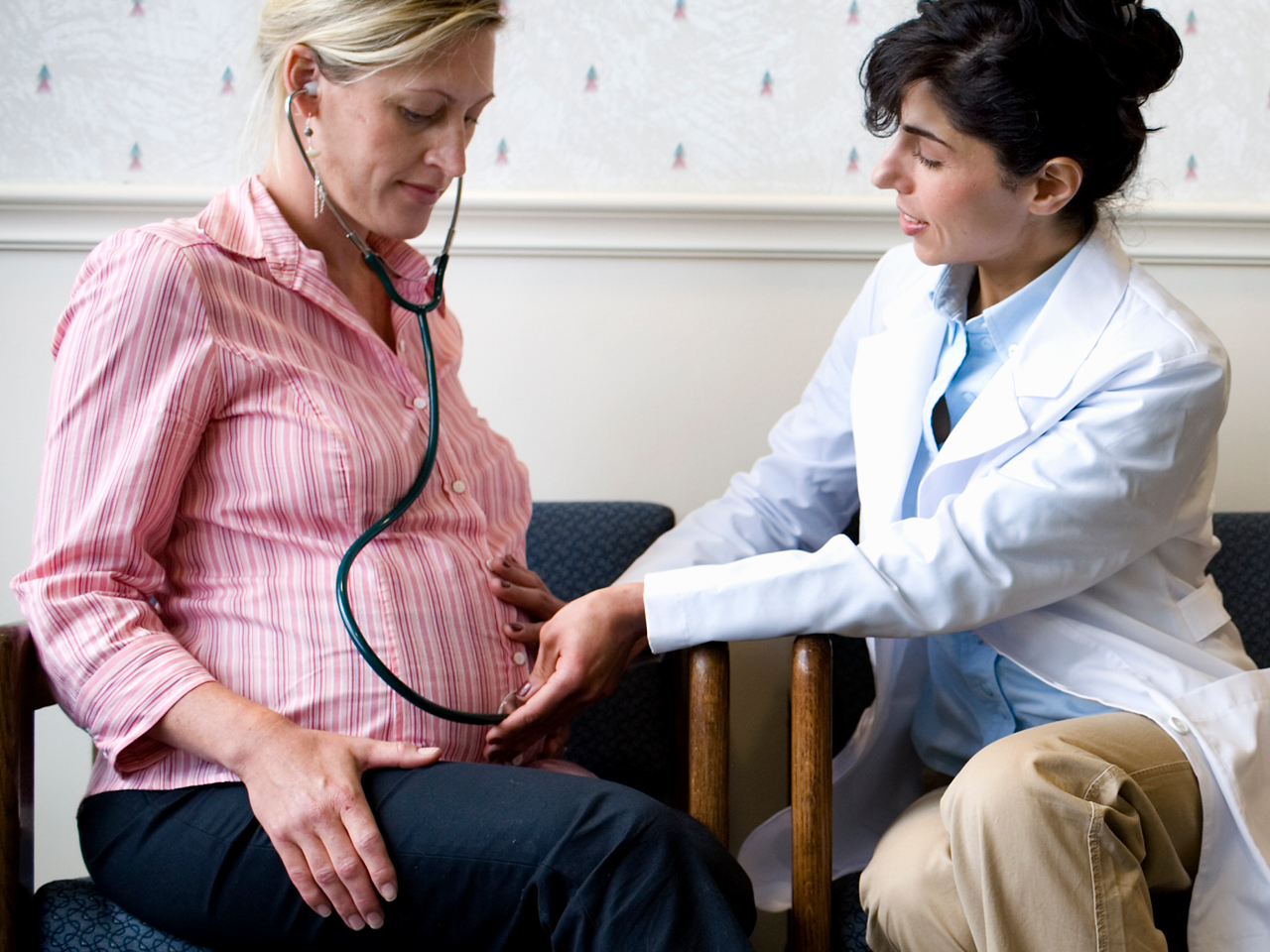
As an expecting mother, you want to ensure the best care for yourself and your baby. Pregnancy is a time of joy and excitement, but it can also be a time of worry for some women. If you have a high-risk pregnancy, you may wonder what it means and how it will affect your pregnancy.
“There are some common risk factors that can make a pregnancy high-risk,” said Mark Kalchbrenner, DO, director of maternal and fetal medicine at Franciscan Health. “It’s important to understand those risks and work with your provider to ensure the healthiest pregnancy and delivery.”
A high-risk pregnancy means some risks increase the likelihood of complications during pregnancy and/or delivery. This can include pre-existing medical conditions or pregnancy-related complications.
Having a high-risk pregnancy doesn't necessarily mean that something will go wrong, but it does mean that you and your baby require closer monitoring and care to ensure a healthy pregnancy and delivery, said Dr. Kalchbrenner.
“It’s important to know that every pregnant woman is at risk of complications that can affect their health and that of their unborn child,” said Dr. Kalchbrenner.
Some common risk factors can make a pregnancy high-risk. These include:
If you have type 1 or type 2 diabetes before pregnancy, a maternal-fetal medicine specialist will continue to closely manage those conditions. Preexisting diabetes puts women and their babies at an increased risk of certain pregnancy complications.
“We perform a detailed anatomic scan at 20 to 22 weeks of gestation to look closely at the details of your baby’s anatomy,” said Dr. Kalchbrenner.
Gestational diabetes is a type of diabetes that develops during pregnancy. It occurs when the body can’t produce enough insulin to regulate blood sugar levels. High blood sugar can harm both you and your growing baby. Gestational diabetes can affect any pregnant woman, regardless of whether they had diabetes before becoming pregnant.
If you have a preexisting heart condition or structural heart anomaly, your maternal-fetal medicine doctor works closely with your cardiologist to manage your condition and ensure that you and your baby remain healthy. The goal of this collaboration is to fully understand your heart condition related to the pregnancy and determine if or how much the pregnancy could worsen the condition.
Pregnancy increases your risk for complications if you have a preexisting kidney disease. These can include high blood pressure and preeclampsia, said Dr. Kalchbrenner.
“Regular monitoring and early intervention can help manage these risks and ensure you have a healthy pregnancy,” he said.
Being overweight or obese – or having a high body mass index (BMI) – puts pregnant women at increased risk for a variety of health conditions, including:
Preeclampsia is a condition that affects some women during pregnancy and can be life-threatening if left untreated. Regular prenatal care and monitoring can help detect preeclampsia early and prevent complications.
“There are some preventive measures we can take,” Dr. Kalchbrenner said. “Women at high risk for developing preeclampsia can take a low-dose (81mg) aspirin daily. Doing so reduces their risk by about 40%.”
Maternal-fetal medicine is a specialized area of obstetrics that focuses on high-risk pregnancies, providing advanced care to women with complex medical conditions. Maternal-fetal medicine specialists work closely with obstetricians and midwives, perinatologists and neonatologists to monitor the health of the mother and baby, diagnose potential problems and develop individualized care plans.
In some cases, you might see an maternal-fetal medicine specialist only one time. Other women may need to see their maternal-fetal medicine doctor several times during pregnancy. Each person is different, and services vary depending on the individual's care plan. Some of the services offered at Franciscan Health include:
Having a high-risk pregnancy can also increase the risk of delivering a baby who needs specialized care in the neonatal intensive care unit (NICU). The NICU is a specialized unit in the hospital that provides advanced medical care for newborns who need extra support.
“A lot of what we do at Franciscan Health is to try to avoid that,” Dr. Kalchbrenner said. “Having a baby in the NICU can be a challenging experience, but it is also a place of hope and healing.”
If your providers think that your baby may be born early or with complications, they will likely recommend that you plan to deliver at a hospital with a Level III NICU on-site. Dr. Kalchbrenner said they try to prepare for such circumstances ahead of time.
“It’s important to have the NICU available. It’s a place where nurses and doctors are dedicated to providing the best possible care,” he said. “Their expertise and compassion can be a source of comfort and reassurance for parents during a difficult time.”
A maternal fetal medicine specialist provides care for both the mother and baby during a complicated pregnancy. They work with your doctor by providing detailed ultrasound examinations, consultations and/or co-management during a high-risk pregnancy.
Genetic counselors provide specialized consultations to pregnant patients as well as those planning to conceive. Genetic counselors guide and support families that face having a baby with a birth defect, genetic disorder or those at risk.


Maternal & Fetal Medicine
Accepting new patients
Franciscan Physician Network
