Request An Appointment
Don't wait, prioritize your health. Find the right Franciscan Health doctor for your needs, and request an appointment today.
Search the site for providers, locations, and content.
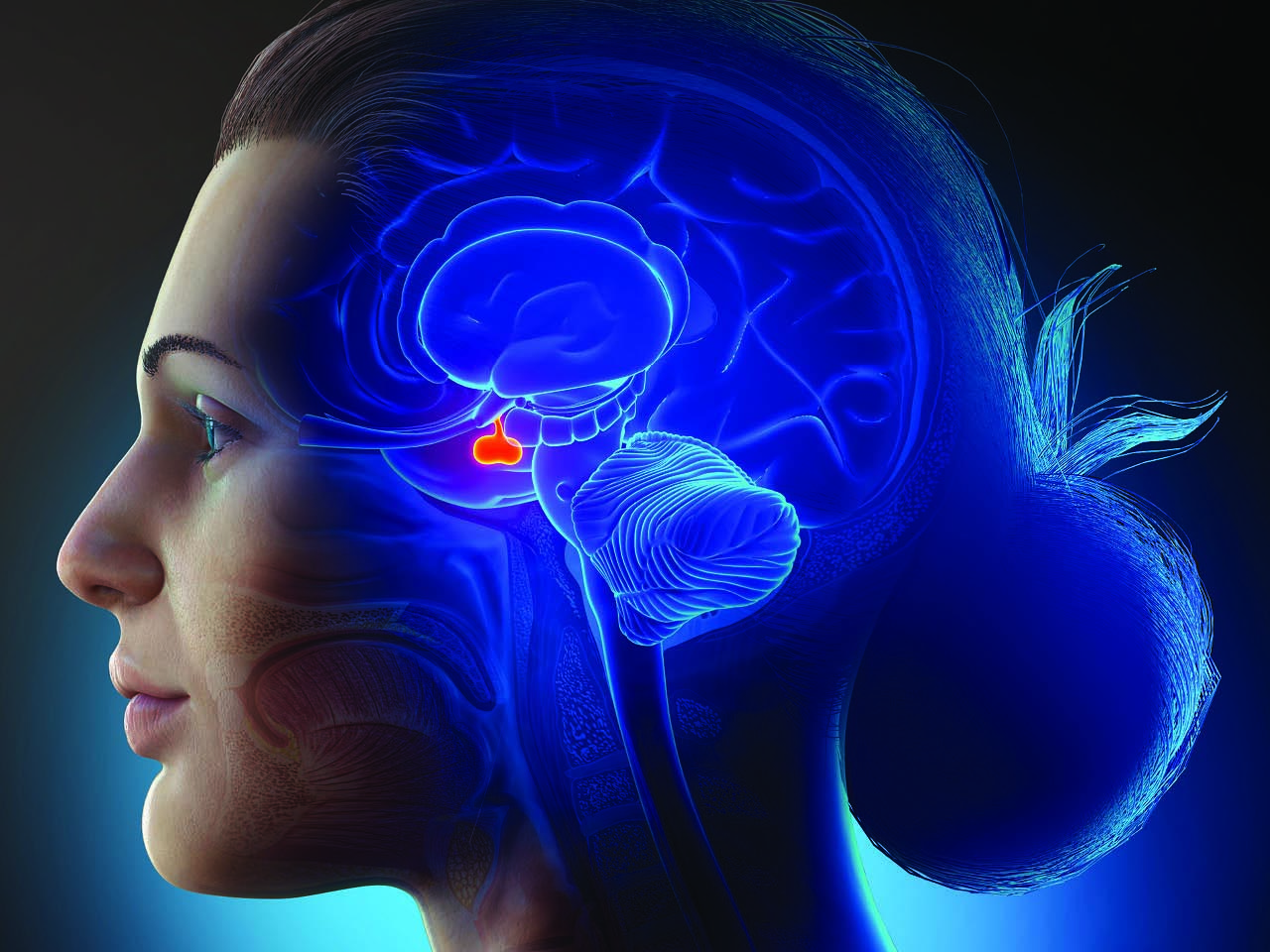
From actions to reactions, your brain helps you control how you experience life each day. While it helps you interact throughout the day, there is a specific pea-sized gland at the base of your brain responsible for sending signals throughout the organs in your body called the pituitary gland.
Even though the pituitary gland is a part of a system that guides your body on how to function, it can still make mistakes that can lead to pituitary disorders.
Adelina Priscu, MD, an Indianapolis endocrinologist with Franciscan Physician Network, explains the importance of the pituitary gland, how you can prevent some pituitary conditions and when to talk to an endocrinologist about concerns.
Even though it's just the size of a pea at the base of your brain, your pituitary gland’s need to function properly is crucial.
"The pituitary gland is really ‘the master gland‘ because it sends all the signals down to the different organs in the body,” Dr. Priscu said. “This gland is part of your endocrine system as it's in charge of making several different hormones. It tells other endocrine systems how and when to release hormones and fine-tune it."
The pituitary gland produces and releases hormones to help the body function in several ways, including:
"Hormones carry messages through your blood to various organs, including your skin, muscles and tissues," Dr. Priscu said. "These signals tell your body what to do and when."
Pituitary disorders can occur when the pituitary gland either releases excess hormones or doesn't produce enough. Injuries can cause pituitary disorders, but the most common cause is a benign pituitary tumor called pituitary adenoma.
"A disorder related to the pituitary gland can impact a patient's growth, metabolism, reproduction, stress response and more," Dr. Priscu said. "Depending on what stage of life you're on, any of these problems can be a significant issue."
Common pituitary disorders include:
Hormones regulated by the pituitary gland include:
"One of the more crucial hormones is called ACTH or adrenocorticotropic hormone, which helps control how your body responds to stress," Dr. Priscu said. "If there's overproduction of ACTH, you can end up with diseases like Cushing's where you have excess cortisol or stress hormone being produced. Underproduction of ACTH can impair the body’s ability to respond appropriately to stress, a condition called adrenal insufficiency."
Dr. Priscu also mentioned thyroid-stimulating hormones (TSH), a condition common among patients. TSH communicates with your thyroid to produce thyroid hormones and manage a few systems throughout your body, including:
The disorder becomes a concern when the thyroid hormones are overproduced (hyperthyroidism, or overactive thyroid) or underproduced (hypothyroidism).
"Prolactin is another hormone produced throughout the body with the help of the pituitary gland," Dr. Priscu said. "It can affect fertility and primarily stimulates the breast milk production after a patient gives birth."
When the pituitary gland overproduces prolactin, it can cause menstrual irregularities, erectile dysfunction, infertility and milky nipple discharge. This condition is known as hyperprolactinemia.
"Growth hormone is another very important hormone, not just in adults, but also in children," Dr. Priscu said. "For children, this hormone stimulates their overall growth. Still, it helps adults maintain healthy muscles, bones and even fat distribution. So, growth hormone is another hormone that affects your metabolism altogether."
Overproduction of growth hormones can result in rapid growth in height for kids and enlargement of hands, feet and organs for adults. This condition also increases the risk for several health conditions, including cardiovascular disease, diabetes, colon cancer and sleep apnea.
Dr. Priscu explained the follicle-stimulating hormone, which stimulates maturation of eggs in women and sperm production in men, as well as the luteinizing hormone, which promotes ovulation and testosterone production. A disorder that underproduces pituitary hormones can cause problems with sexual functions, development and fertility.
"These are some of the hormones produced by the anterior lobe of the pituitary gland," Dr. Priscu said. "There's also a posterior lobe that's part of the pituitary. The posterior lobe helps monitor your water and salt balance and childbirth. Several hormones are produced by the pituitary gland and overproduction or underproduction of these hormones can be an issue."
Learn more about hormones in the pituitary gland and brain.
While some pituitary disorders have a genetic link, it’s essential to protect your head and prevent damage to your pituitary gland. Dr. Priscu shares a crucial reminder to help prevent these disorders.
“The most common cause of pituitary dysfunction is a benign growth, called a pituitary adenoma, which is outside of our control and not something we can prevent,” Dr. Priscu said. “Sometimes, however, damage to the pituitary gland can happen after trauma leading to traumatic brain injury, therefore you really need to protect your head and your pituitary gland.”
Dr. Priscu suggests the following to protect your pituitary gland:
"Some may take traumatic brain injuries and concussions lightly, but significant head injuries can happen at any age. You might feel like you can brush off the injury and not seek professional help, but these injuries can have long-term effects."
Pituitary disorders are often managed through medication or hormone replacement, and you may work with an endocrinologist to manage your condition.
"An endocrinologist will diagnose any endocrine problems or hormone conditions you may have," Dr. Priscu said. "They'll develop treatments, create management plans and prescribe medications alongside follow-ups to confirm that there are no complications."
Dr. Priscu explained that endocrinologists typically manage diabetes along with thyroid, pituitary and lipid disorders.
"Communication with your provider will always be key," she said. "If you're having any symptoms or concerns, it's best to talk to your provider as soon as possible. They may run simple tests and see if something is wrong or needs to be adjusted in terms of medication."
"If there's anything that's changing around in your life, such as a routine or medication, any recent stressors, an upcoming surgery, discuss that with your provider so that you can manage it together," Dr. Priscu said.

Endocrinology, Diabetes & Metabolism +1 more
Accepting new patients
Offers virtual visits
Franciscan Physician Network
