Request An Appointment
Don't wait, prioritize your health. Find the right Franciscan Health doctor for your needs, and request an appointment today.
Search the site for providers, locations, and content.
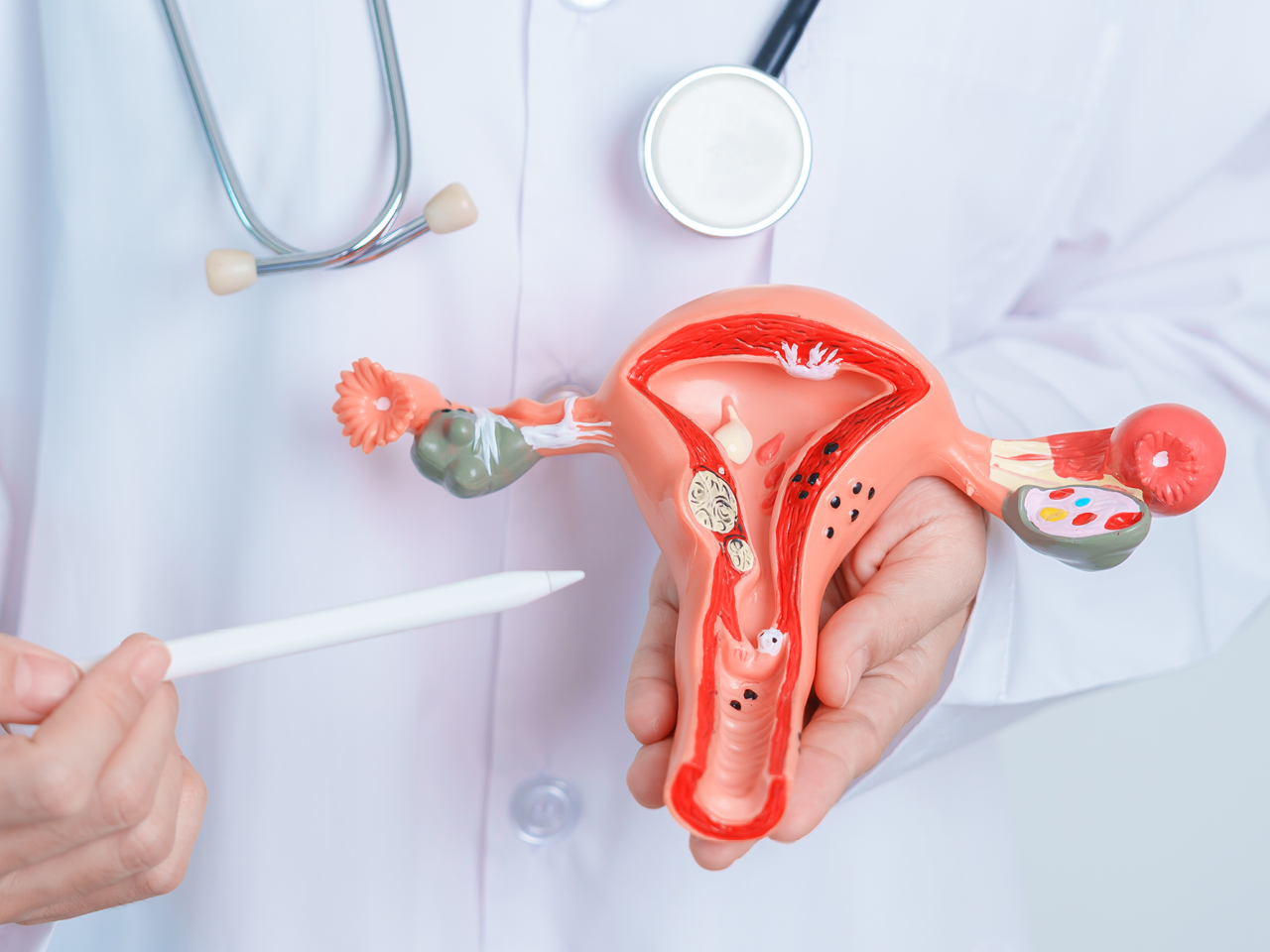
A hysterectomy is a medical procedure to remove the uterus (womb). After a hysterectomy, the woman’s menstrual periods stop, and she can no longer have children.
“A hysterectomy permanently changes a woman’s body,” said Franciscan Physician Network OBGYN Sharmilee Thota, MD, who practices in Michigan City. “In general, our providers suggest them to save a woman’s life or fix serious medical conditions.”
Let’s explore the medical reasons your gynecologist might recommend a hysterectomy.
Your gynecologist may suggest a hysterectomy as treatment for cancer of the uterus or ovaries. Or, you may need an emergency hysterectomy if you have severe uterine bleeding that won’t stop.
Your doctor may suggest a hysterectomy for the following conditions if they haven’t responded to more conservative treatments:
Depending on your needs, your gynecologist may suggest one of two types (approaches) of hysterectomy:
Franciscan Health uses three surgical techniques to perform hysterectomy:
Your gynecologist will recommend the type of hysterectomy that best fits your situation. Whenever possible, we use minimally invasive techniques, including laparoscopic or robotic-assisted procedures. These techniques require less downtime and offer quicker recovery and less scarring.
In some cases, the surgeon only needs to remove the uterus. The ovaries can continue to produce sex hormones, such as androgens, estrogens and progestogens. These hormones protect a woman’s body from osteoporosis (bone weakening) and heart disease and contribute to her desire for sex.
“If you have cancer or endometriosis, your surgeon will likely remove both the uterus and the ovaries,” Dr. Thota said. After removal, your body will have low levels of sex hormones. These low levels will prompt your body to enter menopause and can cause disruptive symptoms. Learn about managing the symptoms of menopause, including hot flashes.
If you have a serious women’s reproductive health condition and your doctor has suggested hysterectomy as a possible treatment option, schedule an appointment to discuss which procedure is right for you.


Obstetrics & Gynecology
Accepting new patients
Franciscan Physician Network
