Anal Fistula
Our Approach
Anal fistula treatment often depends on whether you have Crohn's disease. If you do, our doctors may recommend prolonged treatment with a variety of medications, including antibiotics. Often these medications will cure the infection and heal the fistula.
If you don't have Crohn's disease, our doctors may still recommend antibiotics first. If they do not help heal the fistula, surgery can help. You can undergo anal fistula surgery on an outpatient basis or with a short hospital stay.
How is an anal fistula diagnosed?
Your doctor will examine the area and look for an opening in the skin (a sign that a fistula has developed). If there are no visible signs on the skin's surface, your doctor will use an instrument called an anoscope to see inside the anal canal and lower rectum.
If your doctor finds an anal fistula, you will need further tests to see if you have Crohn's disease including:
- Blood tests
- X-rays
- Colonoscopy
What is an anal fistula?
An anal fistula is a tiny channel or tract that connects an abscess (infected opening) inside the anus to an opening in the skin. In women with Crohn's disease or obstetric injuries, the fistula could open into the vagina or bladder.
Anal fistulas develop in the presence of inflammation and infection. They may or may not be associated with certain illnesses such as Crohn's disease.
Since fistulas are infected channels, there is usually some drainage. A draining fistula can irritate the skin around it. If it is near the anus, there could be pain as well as redness and swelling.
Related Providers

Frederick R Lane, MD, FACS, FASCRS
Colon & Rectal Surgery +1 more
Accepting New Patients
Franciscan Physician Network


Tobi J Reidy, DO
Colon & Rectal Surgery +1 more
Accepting New Patients
Franciscan Physician Network

Dipen C Maun, MD, FACS, FASCRS
Colon & Rectal Surgery +1 more
Accepting New Patients
Franciscan Physician Network
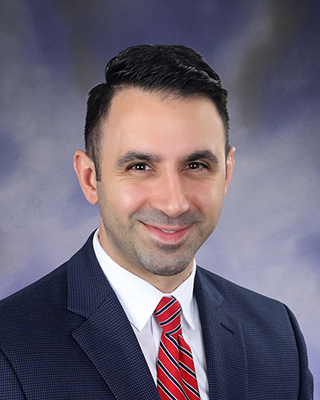
Samer Kawak, MD
Colon & Rectal Surgery
Accepting New Patients
Franciscan Physician Network

Scott C Dolejs, MD
Colon & Rectal Surgery
Accepting New Patients
Franciscan Physician Network

R Barry BARRY Melbert, MD, FACS, FASCRS
Colon & Rectal Surgery
Accepting New Patients
Franciscan Physician Network

Paul E Broderick, DO, FAOCPr
Colon & Rectal Surgery
Accepting New Patients
Franciscan Physician Network

Olivia Jayanne Hoffman, PA-C
Physician Assistant
Accepting New Patients
Franciscan Physician Network
Related Locations
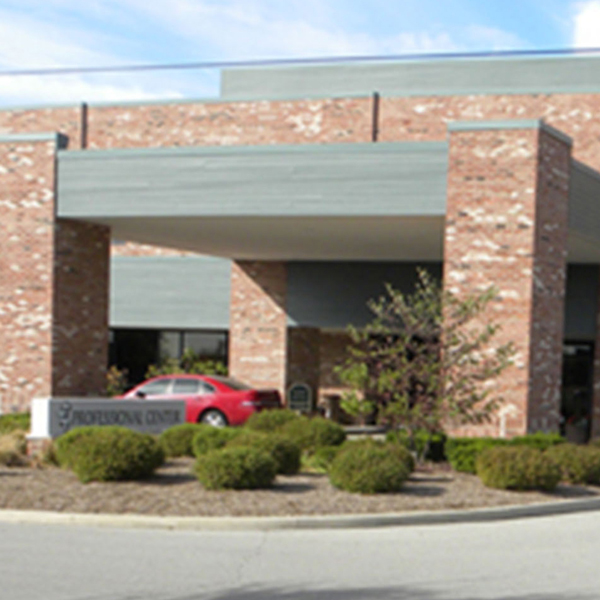
Specialty Care
Franciscan Physician Network Indiana Colon & Rectal Specialists Mooresville
1215 Hadley Road Suite 201 - Mooresville, IN 46158
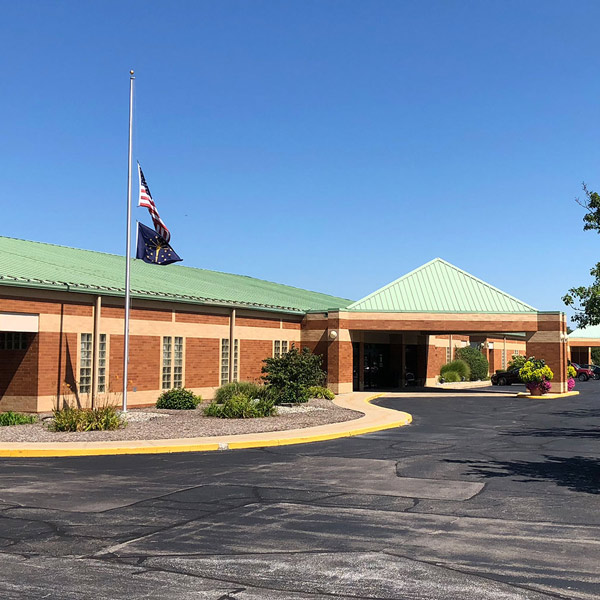
Surgery Center +1 more
Franciscan Physician Network Woodland Health Center
8865 West 400 North - Michigan City, IN 46360
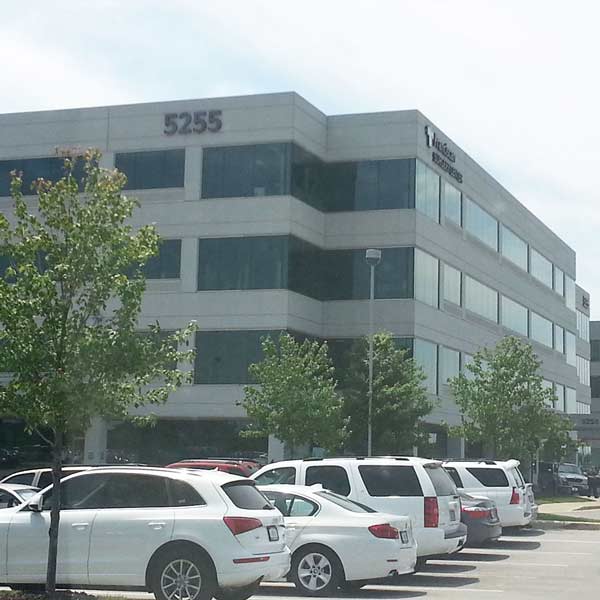
Surgery Center
Franciscan Surgery Center
5255 East Stop 11 Road Suite 100 - Indianapolis, IN 46237