Echocardiogram
About This Test
An echocardiogram – or echo – is an ultrasound of the heart and provides a physician with images of the heart while it’s beating. An echocardiogram is pain-free and may be performed while the patient is lying on their back or side (transthoracic echo) or while the patient is walking or running on a treadmill (stress echo).
Transthoracic Echo
For a standard transthoracic echocardiogram, you’ll change into a gown and lie on your back or left side. A technician places EKG (electrocardiogram) stickers on your chest and moves a handheld device called a transducer over your chest. The transducer sends sound waves to your heart and creates images on a screen. These images help the cardiologist assess the size of your heart chambers, how well your heart pumps, and how your heart valves function.
You may be asked to hold your breath or shift positions during the exam. In some cases, a provider may need to inject a contrast agent via intravenous injection (IV) to make the images clearer, or normal saline to give additional detail about your heart’s structure.
Stress Echo
During a stress echo, a patient’s heart is monitored while they walk or run on a treadmill. If they cannot use a treadmill, they may receive medicine through an IV to raise their heart rate. As the heart beats faster, it needs more blood, which helps the cardiologist check how well blood is flowing.
A stress echo may be ordered to check for heart problems that worsen with increased heart rate or to clear a patient for physical activity following a heart attack.
How to prepare for an echo
To prepare for a stress echo, a patient may be asked not to eat, drink or smoke for 4 hours prior to the test.
A regular transthoracic echocardiogram requires no preparation.
When is an echocardiogram needed?
A provider may order an echocardiogram for several reasons including, but not limited to:
- Looking for a problem in the heart or the blood vessels around the heart
- Identifying or checking on a heart problem or condition
- Trying to find the cause of symptoms such as shortness of breath, leg swelling or irregular heartbeat
- Checking heart function after a heart attack or heart surgery
How do I get connected to care?
If you have any concerns about your heart health, reach out to your primary care provider or cardiologist. If you need to see a cardiologist and have not before, your primary care provider can make a referral to one. A referral may be required prior to scheduling an appointment with a specialist.
If you or someone you know is experiencing signs and symptoms of a heart attack, dial 911 immediately and, when necessary, administer CPR.
Related Providers
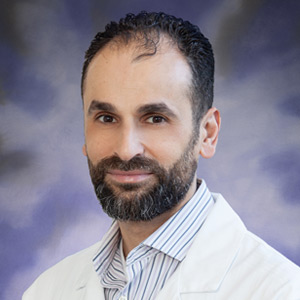
Asem A Rimawi, MD
Clinical Cardiac Electrophysiology +1 more
Accepting New Patients
Franciscan Physician Network

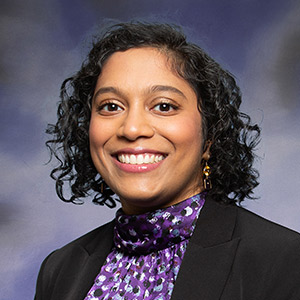
Meera Mohan, NP-C
Adult Health Nurse Practitioner +1 more
Accepting New Patients
Franciscan Physician Network
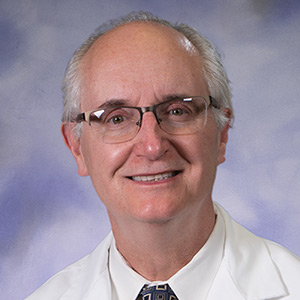
Michael Leo Hogan, MD
Cardiovascular Disease +2 more
Accepting New Patients
Franciscan Physician Network
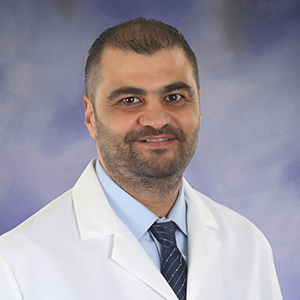
Yazeid A Alshebani, MD
Cardiovascular Disease
Accepting New Patients
Franciscan Physician Network
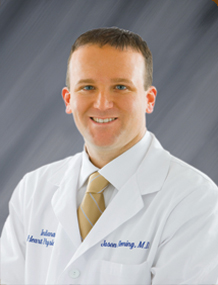
Jason C. Fleming, MD, FACC
Cardiovascular Disease
Accepting New Patients
Franciscan Physician Network
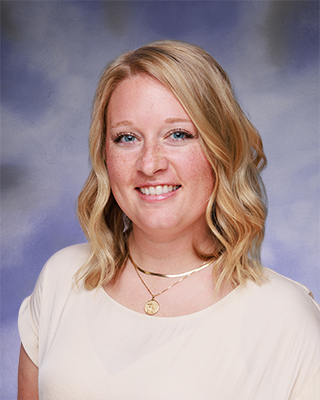
Hannah J Shideler, NP
Family Nurse Practitioner
Accepting New Patients
Franciscan Physician Network
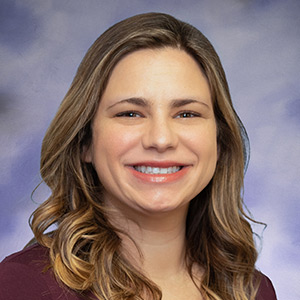
Kaitlin N Park, NP
Nurse Practitioner +1 more
Accepting New Patients
Franciscan Physician Network
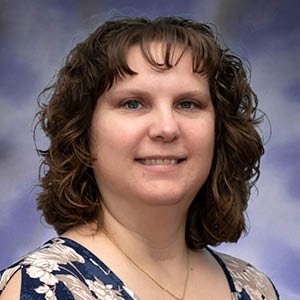
Melissa M Bartoszewicz, DNP
Family Nurse Practitioner
Accepting New Patients
Franciscan Physician Network
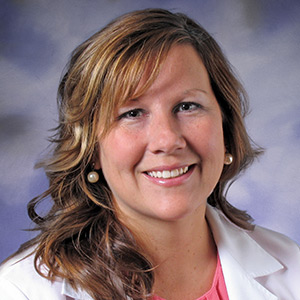
Jill N Linder, NP
Adult Health Nurse Practitioner
Franciscan Physician Network
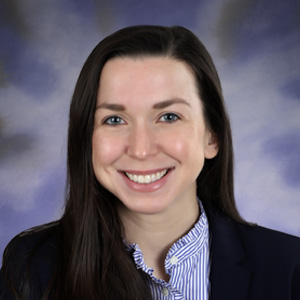
Laura E Lovins, PA-C
Physician Assistant +1 more
Accepting New Patients
Franciscan Physician Network
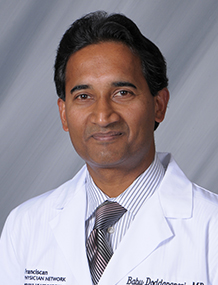
Babu S. Doddapaneni, MD, FACC
Cardiovascular Disease
Accepting New Patients
Franciscan Physician Network
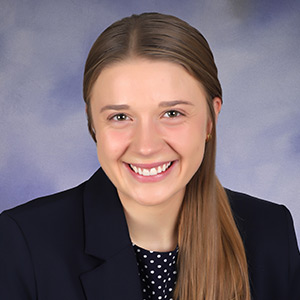
Hannah B Meyer, PA-C
Physician Assistant
Accepting New Patients
Franciscan Physician Network
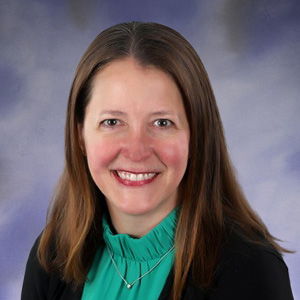
Stacy K Dawkins, PA-C
Physician Assistant +1 more
Franciscan Physician Network
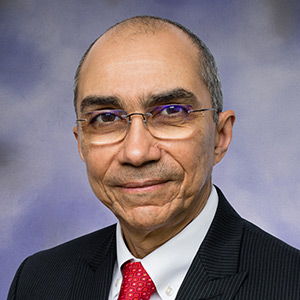
Islam A Bolad, MD
Cardiovascular Disease +2 more
Accepting New Patients
Franciscan Physician Network
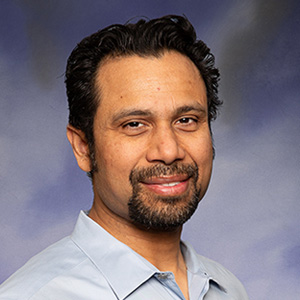
Amit Kumar, MD
Cardiovascular Disease +2 more
Accepting New Patients
Franciscan Physician Network
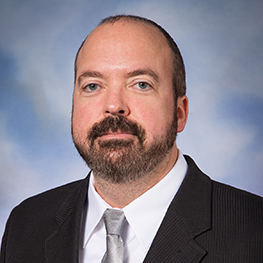
Mark A Mitchell, DO, FHRS, FACC
Clinical Cardiac Electrophysiology +1 more
Accepting New Patients
Franciscan Physician Network
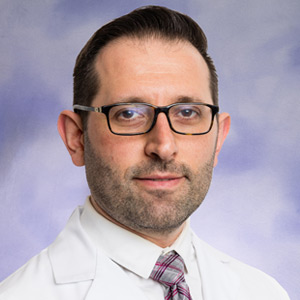
Bassel Artin, MD
Cardiovascular Disease
Accepting New Patients
Franciscan Physician Network
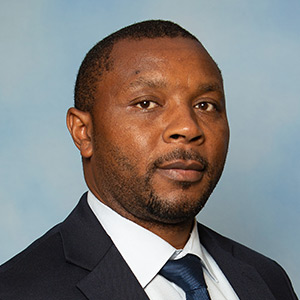
Roland T Njei, MD
Cardiovascular Disease +1 more
Accepting New Patients
Franciscan Physician Network
Related Locations
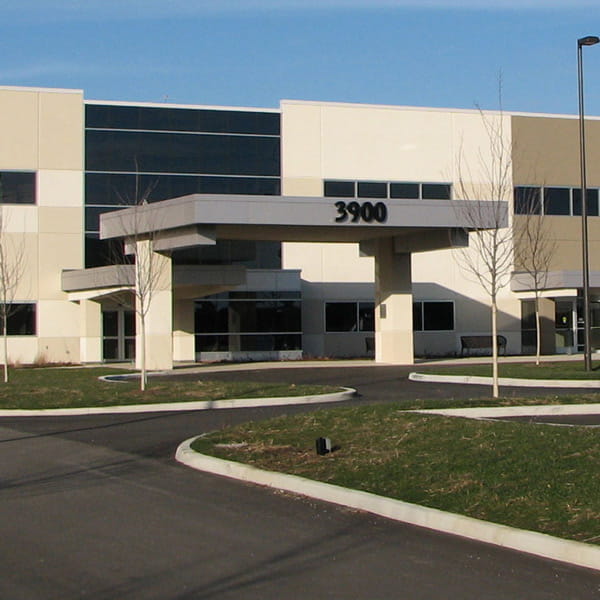
Specialty Care
Franciscan Physician Network Cardiology Lafayette
3900 St. Francis Way Suite 200 & 213 - Lafayette, IN 47905
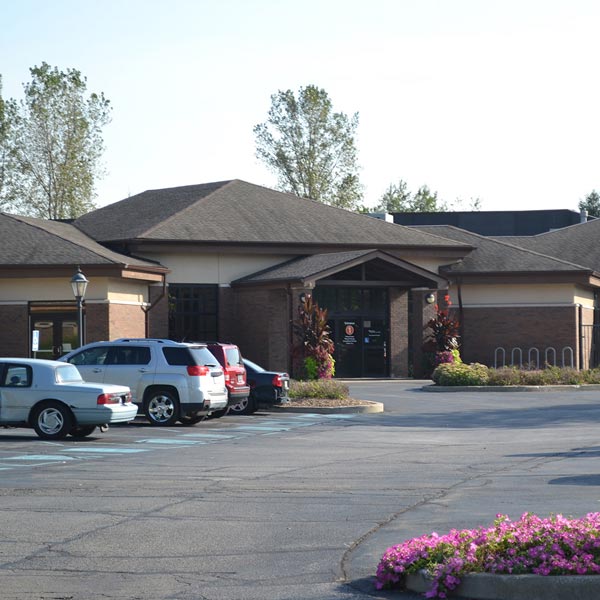
Multi-Specialty Clinic
Franciscan Physician Network Omni Health Center
810 Michael Drive - Chesterton, IN 46304
Specialty Care
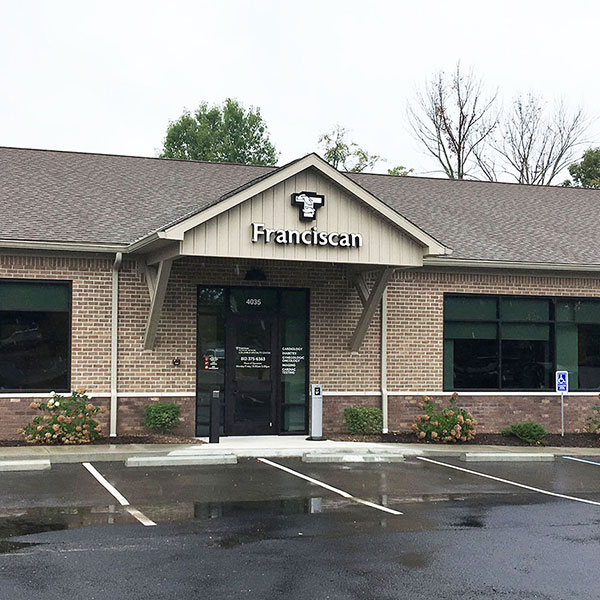
Franciscan Physician Network Indiana Heart Physicians
4035 Mimosa Drive - Columbus, IN 47201