Coronary artery disease often develops over many years. Some people experience symptoms, while others don’t know they have blocked arteries until tests reveal a problem or they have a heart attack. That’s why our team focuses on early detection and prevention as well as treatment.
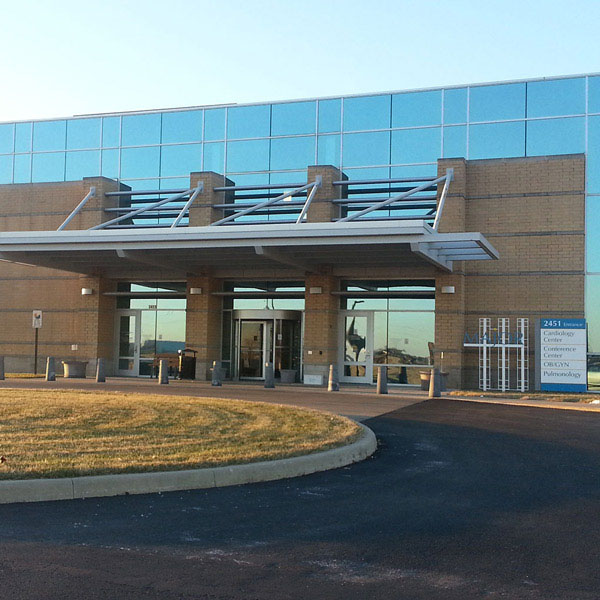
Whether you need lifestyle changes, medication, a minimally invasive procedure or surgery, you'll receive coordinated care focused on protecting your heart health. And it’s all available right where you need it most — close to home.
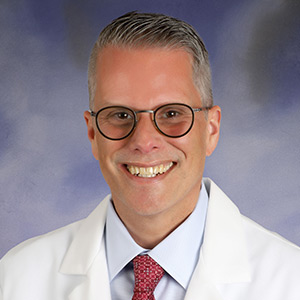
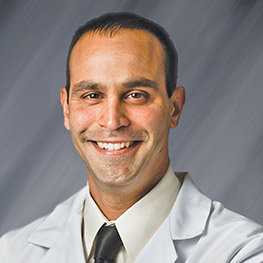
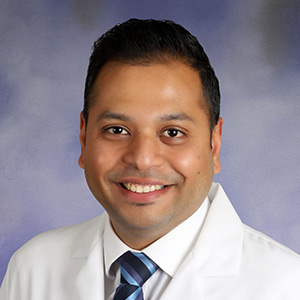
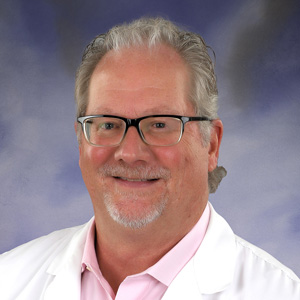
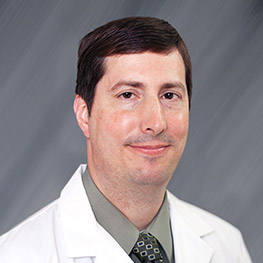
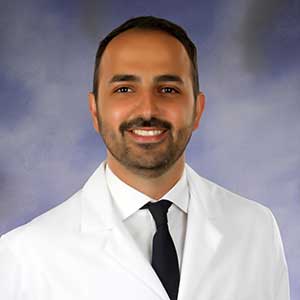
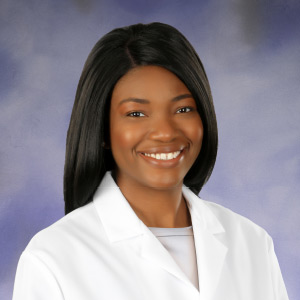
Franciscan Health’s heart program includes fellowship-trained cardiologists, cardiac surgeons and imaging specialists who regularly treat complex coronary artery disease. Our specialists review your test results together and create a unified treatment plan.
What is coronary artery disease?
Coronary artery disease develops when cholesterol, calcium and other substances build up inside the coronary arteries. These arteries supply oxygen-rich blood to the heart muscle.
What happens when CAD worsens?
As plaque accumulates, the arteries narrow and blood flow decreases. When blockages become severe, they can lead to symptoms such as chest pain or shortness of breath. In some cases, a blockage can suddenly cut off blood flow and cause a heart attack.
Who is at risk for CAD?
CAD is the most common type of heart disease in the U.S., accounting for about 610,000 deaths annually. People with a family history of heart disease are at higher risk. Age is a risk factor, too. Your risk increases with age — after 45 for men and 55 for women.
Other risk factors relate to lifestyle choices. To protect your heart health, we recommend that you:
- Manage existing conditions, such as high blood pressure, high cholesterol and diabetes
- Don’t smoke
- Lose extra weight
- Get regular exercise
Not sure where to start? Make an appointment with your primary care doctor.
What are the symptoms of coronary artery disease?
Common symptoms include:
- Chest pain, pressure or discomfort
- Shortness of breath
- Fatigue
- Reduced exercise tolerance
- Pain in the arms, shoulders, neck or jaw
You may notice chest pressure, shortness of breath or unusual fatigue when you climb stairs, exercise, shovel snow or do yard work. Over half the people who die suddenly of heart disease have no symptoms. Many people ignore symptoms for months and mistakenly blame them on being out of shape or getting older.
If you experience sudden chest pain, severe shortness of breath or other symptoms of a heart attack, call 911 immediately.