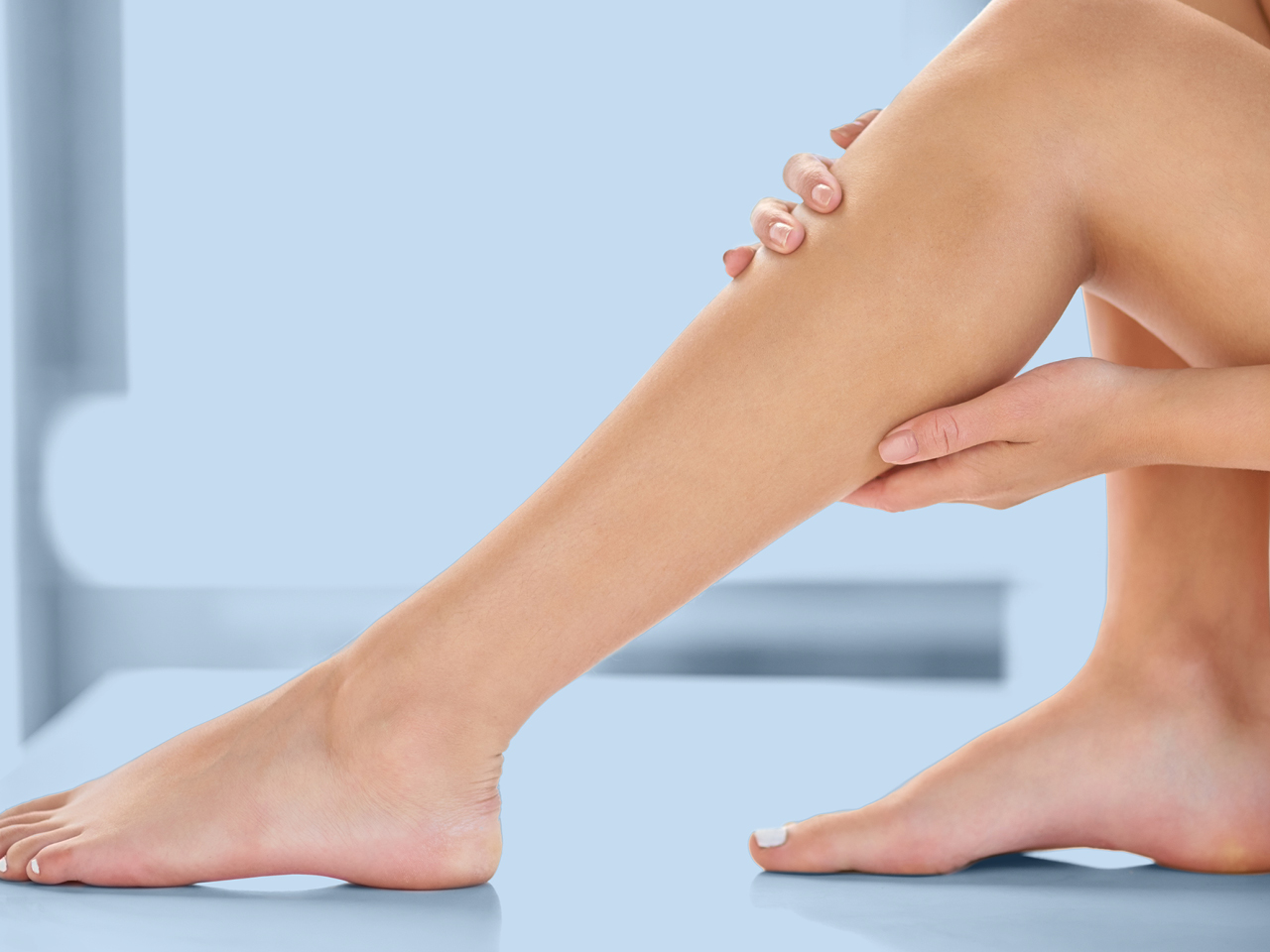
Varicose Veins
Our Approach
Varicose veins may be unsightly or uncomfortable. But they can also cause medical issues that need treatment. At Franciscan Health, we diagnose and treat both types of varicose veins. We’ll make sure you get the treatment you need to improve your circulation and prevent complications.
Diagnosing and treating varicose veins
Our doctors diagnose varicose veins through a physical exam and ultrasound to check the blood flow in your veins.
Your doctor may recommend you wear compression stockings and elevate your legs while sitting and sleeping.
Some people with varicose veins need a procedure. Sclerotherapy, laser and light therapy or vein surgery may be options if you:
- Feel pain while standing
- Get a sore on or near a varicose vein
- Develop swelling in your feet or ankles
- Want to improve the appearance of your legs
What are varicose veins?
Most varicose veins develop close to the surface of the skin in the pelvic area, legs or feet. A weakening in a blood vessel wall causes the vessel to enlarge and dilate.
Varicose veins appear as a swollen, twisted cluster of blue or purple veins. Sometimes thin, red capillaries called spider veins surround them.
Varicose veins may cause complications if enough fluid can’t drain from the skin. Complications may include:
- Open sores or ulcers
- Fungal or bacterial infections
- Blood clots or bleeding
Risk factors for varicose veins
Risk factors for varicose veins include:
- Family history of varicose veins
- Older age
- Long periods of sitting or standing in one position
- Obesity
- Pregnancy, birth control or hormone replacement therapy
- Trauma, skin injury, vein surgery or use of topical steroids
Preventing varicose veins
There are steps you can take to prevent varicose veins. You can:
- Avoid:
- Wearing tight-fitting clothing and underwear
- Crossing your legs when you sit
- Standing or sitting in one position for too long
- Try:
- Exercising to reduce your risk
- Losing weight if you’re overweight
Varicose vein symptoms
Signs and symptoms of varicose veins include:
- Dark purple, bluish leg veins
- Twisted, bulging leg veins
- Sore, tired or swollen legs
- Leg cramps or leg pain that worsens after sitting or standing
- Itching around the veins
- Skin ulcers or brownish skin discoloration near your ankle
Related Providers
Neal K Ramchandani, MD
Vascular Surgery +1 more
Accepting New Patients
Franciscan Physician Network

Patrick D Albert, MD
Vascular Surgery +1 more
Accepting New Patients
Franciscan Physician Network
Lucas Bolt, NP-C
Adult Health Nurse Practitioner
Franciscan Physician Network
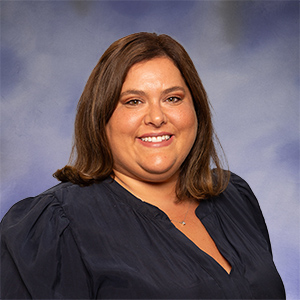
Melissa A Gouger, NP
Acute Care Nurse Practitioner
Accepting New Patients
Offers Virtual Visits
Franciscan Physician Network
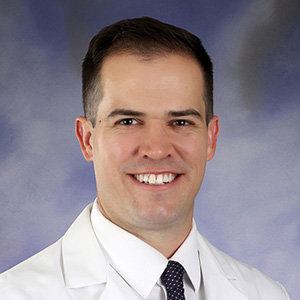
Michael D Ingram, MD
Vascular Surgery
Accepting New Patients
Offers Virtual Visits
Franciscan Physician Network
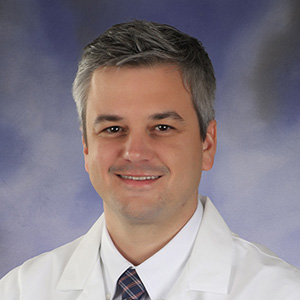
Roger M Cournoyer, MD
Vascular Surgery
Accepting New Patients
Offers Virtual Visits
Franciscan Physician Network
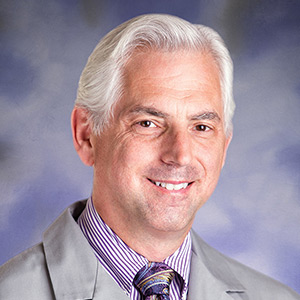
Charles S Kiell, MD, FACS
Vascular Surgery
Accepting New Patients
Franciscan Physician Network
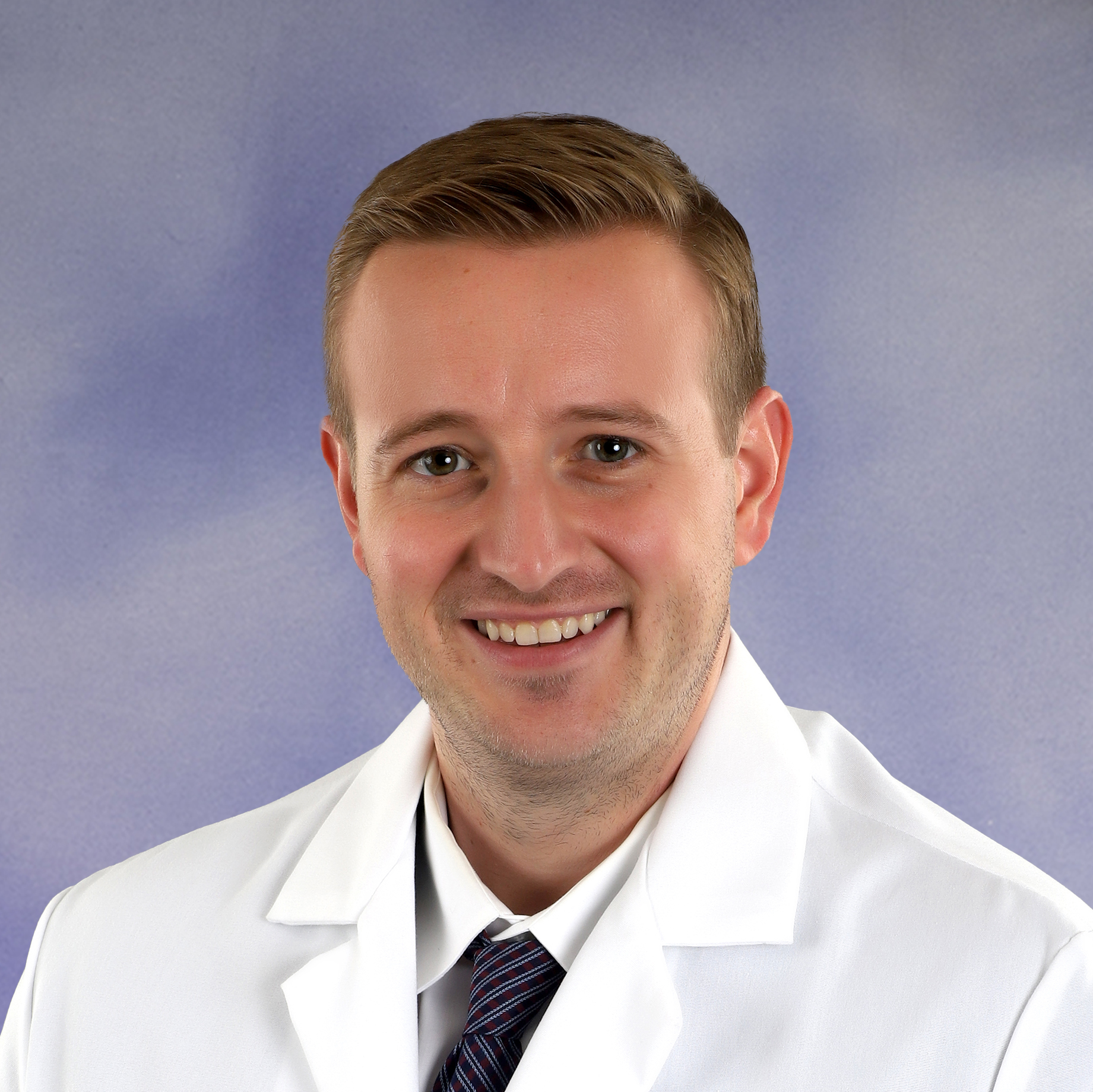
Adam C Hicks, MD
Vascular Surgery +1 more
Accepting New Patients
Franciscan Physician Network
Jennifer L Berry, PA-C
Physician Assistant
Accepting New Patients
Franciscan Physician Network
Ellyn D Allen, PA-C
Physician Assistant
Accepting New Patients
Franciscan Physician Network
Related Locations
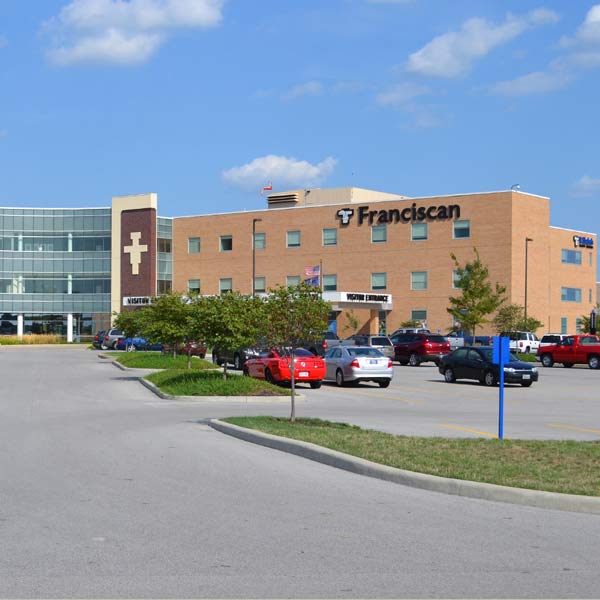
Hospital
Franciscan Health Lafayette
1701 South Creasy Lane - Lafayette, IN 47905
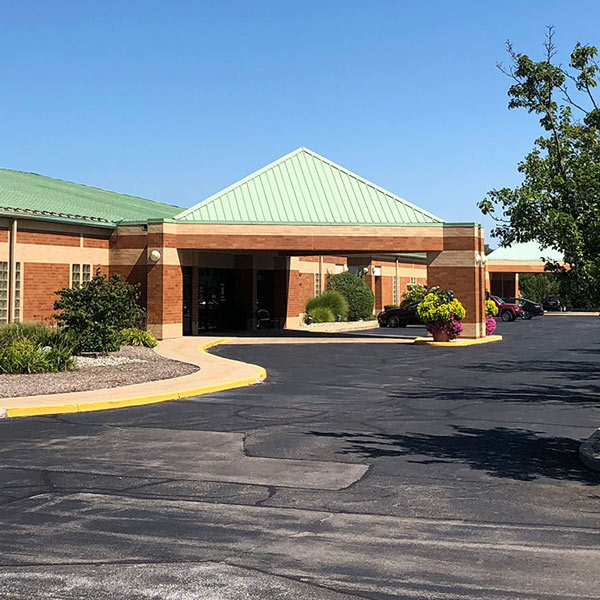
Multi-Specialty Clinic +1 more
Franciscan Health Limb Preservation Center Michigan City
8865 West 400 North - Michigan City, IN 46360
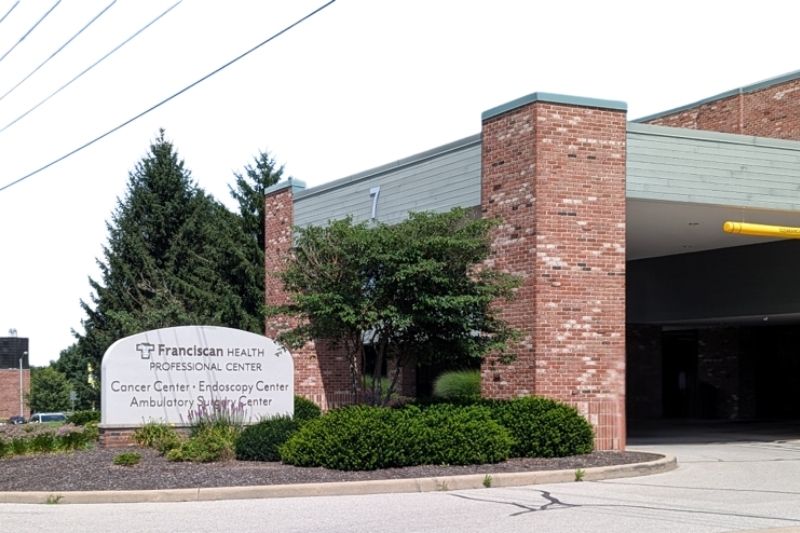
Specialty Care
Franciscan Physician Network Vascular Surgeons
1203 Hadley Road Suite 220 - Mooresville, IN 46158