Peripheral Arterial Disease
Our Approach
The vascular specialists at Franciscan Health can diagnose the cause of peripheral arterial disease, or PAD. Once we have a diagnosis, we'll recommend a treatment that reduces your symptoms and side effects. Our goal is to get your legs feeling good again and reduce your risk for complications.
How do we diagnose peripheral artery disease?
Tests we use to diagnose peripheral arterial disease (or peripheral vascular disease) include:
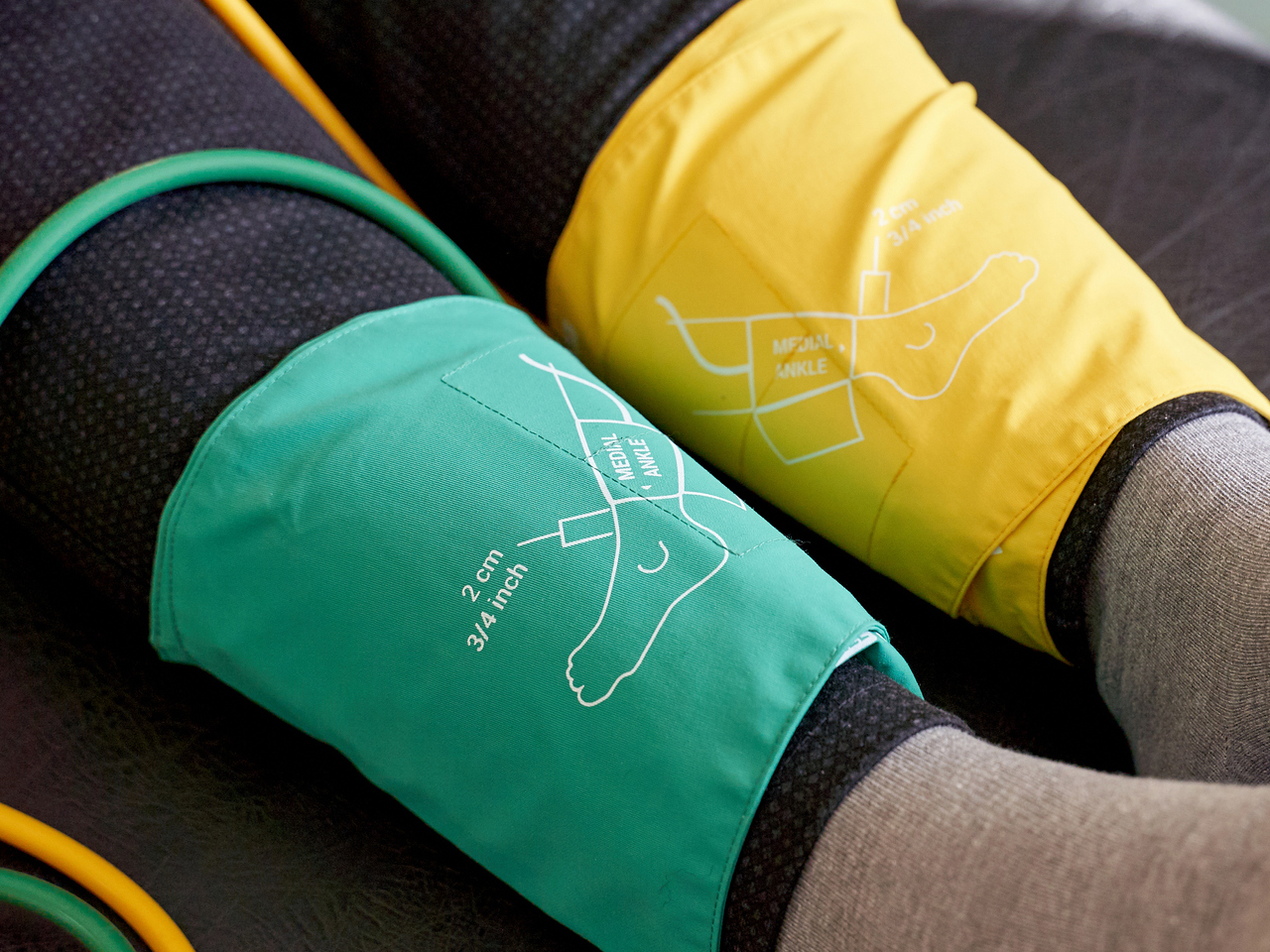
- Ankle brachial index (ABI): An ABI compares the blood pressure in your ankle with the blood pressure in your arm. This non-invasive screening tool uses Doppler ultrasound and a blood pressure cuff.
- CT angiogram (CTA) or MR angiogram (MRA): We may perform one of these tests to see if PAD is treatable.
How do we treat PAD?
Goals for treatment include controlling symptoms and stopping the disease from progressing further. Treating peripheral artery disease is important to lower the risk of heart attack, stroke and other problems.
Treatment may include lifestyle changes, such as:
- Exercising regularly
- Eating a healthy diet
- Quitting smoking
Angiogram for PAD
For more severe cases of peripheral vascular disease, you may need an angiogram. During this diagnostic test, your doctor reaches the artery through a vein in your groin and injects a special dye to detect where the artery is narrow or blocked. Your doctor may also perform the following procedures:
- Atherectomy, to remove plaque from the artery
- Angioplasty, to open up the blocked vessel
- Stent placement, to keep the blood vessel opened
What is peripheral artery disease?
PAD is a slow and progressive disorder of the blood vessels. It causes the arteries in the legs to clog. It can be life threatening if not treated.
Peripheral arterial disease can decrease blood flow to the legs and feet. The decreased blood flow can cause muscle fatigue and pain when walking. Reduced blood flow in the legs can lead to amputation, disability and diminished quality of life. PAD also increases the risk of heart attack and stroke.
What causes peripheral arterial disease?
Peripheral vascular disease develops when cholesterol deposits (plaque) cause an artery to narrow. This plaque build-up (atherosclerosis) decreases blood flow to the legs. Blood clots may completely block the narrowed artery. That blockage starves the legs of oxygen, which can lead to tissue death.
Other causes of PAD may include:
- Injury to the arms or legs
- Irregular muscle or ligament anatomy
- Infection
- Coronary artery disease
Peripheral arterial disease risk factors
Men and postmenopausal women are more likely to have PAD. It's also more common in people over age 50.
Other risk factors include:
- Smoking
- High blood pressure
- Hyperlipidemia
- Diabetes
- High blood pressure or high cholesterol
- Obesity
- Physical inactivity
Preventing peripheral artery disease
You can reduce your risk through lifestyle changes if you:
- Quit smoking
- Exercise regularly (including walking)
- Maintain a healthy weight
- Eat whole grains, colorful fruits and vegetables, low-fat dairy and lean proteins
- Control chronic health conditions (type 2 diabetes, high blood pressure and high cholesterol)
PAD symptoms
About half of all people with peripheral arterial disease don't have any symptoms. The most common symptom is painful leg cramping. This cramping usually occurs with exercise or movement and gets better with rest.
Other symptoms may include:
- Skin changes:
- Decreased skin temperature
- Thin, brittle, shiny skin on the legs and feet
- Wounds that won't heal over pressure points, such as heels or ankles
- Gangrene (dead tissue due to lack of blood flow)
- Changes to legs and feet:
- Reddish-blue discoloration of the legs or feet
- Hair loss on the legs
- Paleness when elevating legs
- Thickened, opaque toenails
- Weak pulse in the legs and the feet
- Impotence
- Numbness, weakness or heaviness in muscles
- Restricted mobility
Related Providers
Angela G Brittsan, MD, PhD, FACC
Cardiovascular Disease
Accepting New Patients
Franciscan Physician Network

Saeed R Shaikh, MD, MBA, FACC, FSCAI, RPVI
Interventional Cardiology +2 more
Accepting New Patients
Franciscan Physician Network

Meera Mohan, NP-C
Adult Health Nurse Practitioner +1 more
Accepting New Patients
Franciscan Physician Network
Boris Sagalovsky, MD
Interventional Cardiology +1 more
Accepting New Patients
Franciscan Physician Network
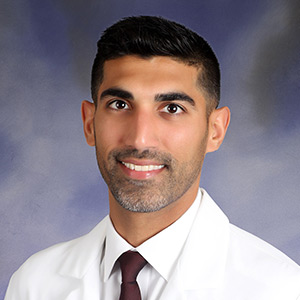
Neal K Ramchandani, MD
Vascular Surgery +1 more
Accepting New Patients
Franciscan Physician Network
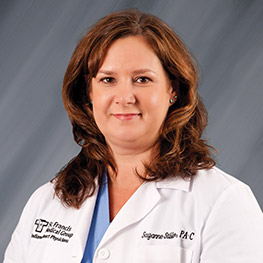
Suzanne M Stiller, PA-C
Physician Assistant
Franciscan Physician Network
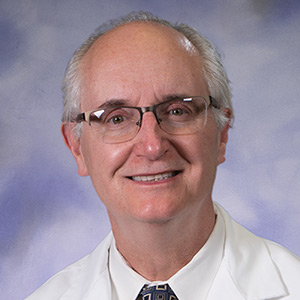
Michael Leo Hogan, MD
Cardiovascular Disease +2 more
Accepting New Patients
Franciscan Physician Network

Casey N Browning, NP-C
Nurse Practitioner
Franciscan Physician Network
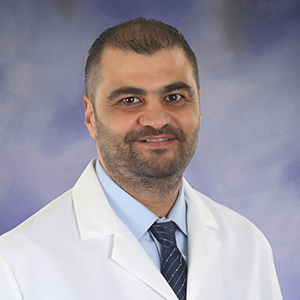
Yazeid A Alshebani, MD
Cardiovascular Disease
Accepting New Patients
Franciscan Physician Network
Samantha J Feltner, NP-C
Family Nurse Practitioner
Accepting New Patients
Franciscan Physician Network
Patrick D Albert, MD
Vascular Surgery +1 more
Accepting New Patients
Franciscan Physician Network

Isabelle Marie Skurka, NP-C, DNP, AACC
Nurse Practitioner +1 more
Accepting New Patients
Franciscan Physician Network
Jason C. Fleming, MD, FACC
Cardiovascular Disease
Accepting New Patients
Franciscan Physician Network
Hannah J Shideler, NP
Family Nurse Practitioner
Accepting New Patients
Franciscan Physician Network
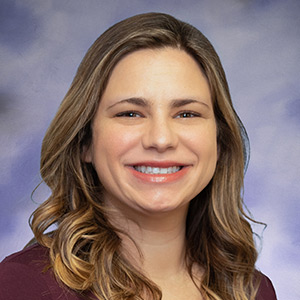
Kaitlin N Park, NP
Nurse Practitioner +1 more
Accepting New Patients
Franciscan Physician Network
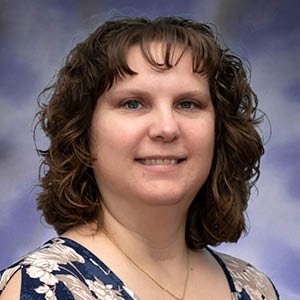
Melissa M Bartoszewicz, DNP
Family Nurse Practitioner
Accepting New Patients
Franciscan Physician Network
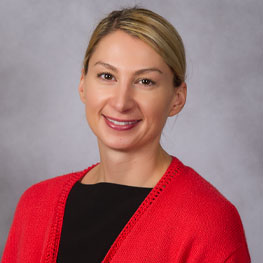
Jelica Maze, MD
Cardiovascular Disease
Accepting New Patients
Franciscan Physician Network
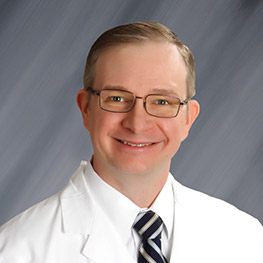
Ryan P. Daly, MD, FACC, FASE, FSCMR, FSCCT
Cardiovascular Disease +1 more
Accepting New Patients
Franciscan Physician Network
Related Locations
Multi-Specialty Clinic +1 more
Franciscan Physician Network Dyer Specialty Health Center
24 Joliet Street Suite 101 - Dyer, IN 46311

Specialty Care +1 more
Franciscan Health Heart Center Michigan City
3500 Franciscan Way - Michigan City, IN 46360
Specialty Care
Franciscan Physician Network Indiana Heart Physicians Franklin
1300 W. Jefferson St. Suite C - Franklin, IN 46131