
Ready To Schedule Your Colonoscopy?
Time to schedule your colon cancer screening? We make it easy to get started.
Search the site for providers, locations, and content.
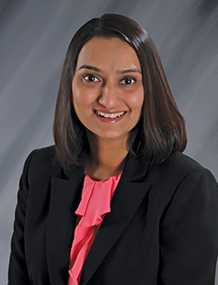
Meghana Raghavendra, MD, a board-certified oncologist with Franciscan Physician Network Oncology & Hematology Specialists, specializes in gastrointestinal malignancies, breast cancer and lymphoma. She answers your questions about what to do when you find blood in your stool or in the toilet.
Seeing red on the toilet tissue or in the toilet bowl due to blood in the stool can be alarming. You may be right that it could be caused by hemorrhoids, but it's best to get things checked out by your doctor.
Colorectal cancer is the second-leading cause of cancer-related death in men and the third-leading cause in women. However, it is highly preventable, and even curable, when detected early, often through use of a screening colonoscopy. Colonoscopy provides a thorough examination of your entire colon through use of a long, flexible tube equipped with a camera.
Colon cancer can occur in any part of the colon and most colorectal cancers begin as polyps that grow on the inner lining of the colon or rectum. These growths spread very slowly, taking several years to become cancerous.
Some of the first signs and symptoms of colon cancer may include:
Some people with colon cancer never experience any symptoms of disease in the early stages. Symptoms may also vary based on the size of the tumor or its location.
While signs such as blood in stool are early signs of cancer, most cases of colorectal cancer occur in men and women over age 50. Even if you have no family history of colorectal cancer, an unhealthy lifestyle can increase your risk of developing the disease. Some common risk factors for colorectal cancer include:
Making lifestyle changes - especially eating less red meat and more fruits, vegetables and fiber, losing weight, quitting smoking and getting more exercise, may help prevent the disease, even in people with a family history.
If colorectal cancer is diagnosed, the prognosis depends on how much the cancer has spread. The treatment for colorectal cancer typically involves surgery to remove the part of the colon that contains the tumor. Depending on the stage of the cancer, surgery is followed by chemotherapy.
Blood in the stool can be caused by hemorrhoids, but it may also be linked to colon polyps, colorectal cancer or other gastrointestinal conditions. Because the cause isn't always obvious, any rectal bleeding should be evaluated by a healthcare provider.
If you're due for a colon cancer screening or have symptoms such as blood in your stool, talk with your primary care provider or request an appointment with a gastroenterologist or colon and rectal specialist. They can review your risk factors and recommend the most appropriate screening plan.
Colon cancer screening can help detect cancer early, when treatment is often most successful. If you're at screening age, have risk factors or are experiencing symptoms such as rectal bleeding, request an appointment with a Franciscan Health provider to discuss scheduling a colonoscopy.
A screening colonoscopy is one of the most effective ways to detect colon cancer early and identify precancerous polyps before they become cancerous. Colonoscopy allows a physician to examine the entire colon using a flexible tube equipped with a camera.
If you're experiencing digestive symptoms or have concerns about colon cancer risk, a gastroenterologist or colon and rectal specialist can help evaluate your symptoms and discuss screening options. Schedule a consultation with a Franciscan Health digestive health specialist to get personalized guidance and care.
Hematology & Oncology +2 more
Accepting new patients
Franciscan Physician Network
