CAR T-Cell Therapy
About This Treatment
As a leader in cellular therapy, Franciscan Health is one of two programs in Indiana to offer chimeric antigen receptor (CAR) T-cell therapy to treat large B-cell lymphoma. Our team has been involved extensively in developing this therapy since 2017, when we offered the first clinical trial at Franciscan Health Indiana Blood & Marrow Transplant Program.
What is CAR T-cell therapy?
CAR T-cell therapy is the newest FDA-approved therapy for patients with relapsed diffuse large B-cell lymphoma. Franciscan Health Indianapolis is one of only two hospitals in the state to offer this breakthrough therapy that enlists the body's immune system to fight cancer.
CAR T-cell therapy is a targeted, individualized immunotherapy. It is different than other cancer medicines because it is made from your own blood cells. The therapy engineers your T-lymphocyte cells to recognize and attack cancer cells in your body.
How does CAR T-cell therapy work?
This innovative therapy genetically modifies T-cells to produce an antibody on their surface. This CAR antibody can recognize and attack a toxin unique to the cancerous B-cells, preserving the healthy cells.
To deliver CAR T-cell therapy:
- A blood and marrow transplant specialist draws your blood to extract the T-cells, the immune system's white blood cells essential in fighting infection.
- In the lab, specialists modify the cells by binding them to receptor genes called CARs.
- In the lab, the newly modified CAR T-cells multiply and go through a quality check. Meanwhile, you undergo three days of conditioning chemotherapy. This treatment removes immune cells to give the CAR T-cells more room in the body to do their job.
- Our team infuses the modified cells back into your bloodstream.
- The new CAR T-cells begin working right away to find and destroy cancer cells. The CAR T-cells live on in the body for long-term cancer defense.
Possible side effects of CAR T-cell therapy
While CAR T-cell therapy is an extremely promising treatment for relapsed diffuse large B-cell lymphoma, possible side effects may occur. Anyone who has received CAR T-cell therapy and experiences any of these side effects should call their healthcare provider immediately:
- Fever (100.4° F)
- Low red or white blood cell count
- Low blood pressure
- Fast heartbeat
- Confusion, difficulty speaking or slurred speech
- Nausea or diarrhea
Who qualifies for CAR T-cell therapy?
Approximately 25,000 patients are diagnosed with large B-cell lymphoma each year. About one-third of those patients relapse, meaning their cancer comes back after improving or being in remission. The traditional treatment - high-dose chemotherapy followed by autologous stem cell transplant - only works for about one in five relapsed patients.
CAR T-cell therapy is a valid treatment option for people who don't respond well to a transplant and have few treatment options left.
People with large B-cell lymphoma may qualify for CAR T-cell therapy if they have relapsed and at least two other types of treatments have failed, such as chemotherapy, radiation and stem cell transplants.
What is diffuse large B-cell lymphoma?
Diffuse large B-cell lymphoma is the most common type of non-Hodgkin lymphoma in the United States and worldwide. It is an aggressive, fast-growing non-Hodgkin lymphoma that affects B-lymphocytes, part of the immune system. Diffuse large B-cell lymphoma can develop in the lymph nodes, gastrointestinal tract, testes, thyroid, skin, breast, bone, brain or any other organ.
Other CAR T-cell therapy clinical trials
Franciscan Health has one of the largest research programs in Indiana, offering patients access to clinical trials without the wait of a large academic center. Trials are available for CAR T-cell therapy to treat multiple myeloma and sarcoma. In the future, researchers may evaluate CAR T-cell therapy for use in other cancer types.
Connect With A Nurse
Franciscan Health Oncology Nurse Navigators serve a special and important role. As registered nurses specially trained in cancer care, they serve as personal guides and advocates, walking alongside our patients and their families during their cancer journey by providing:
- A single point of contact for the care team
- Education and information about your diagnosis, treatment options and care plan
- Assistance with timely appointments, insurance issues and access to resources
- Emotional support and encouragement
Podcast: Training Your Cells to Fight Cancer – Through CAR T-Cell Immunotherapy
Dr. Luke Akard discusses training your cells to fight cancer through CAR T-Cell Immunotherapy.
Related Locations
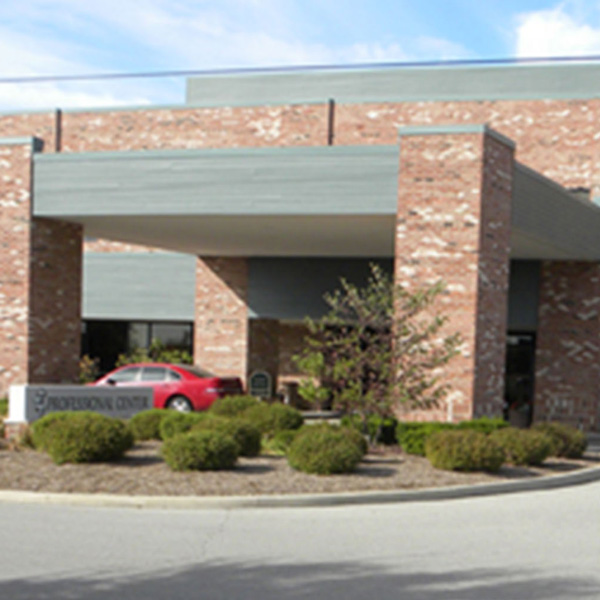
Hospital Department +1 more
Franciscan Health Oncology & Hematology Specialists Mooresville, a department of Franciscan Health Indianapolis
1215 Hadley Road Suite 200 A - Mooresville, IN 46158
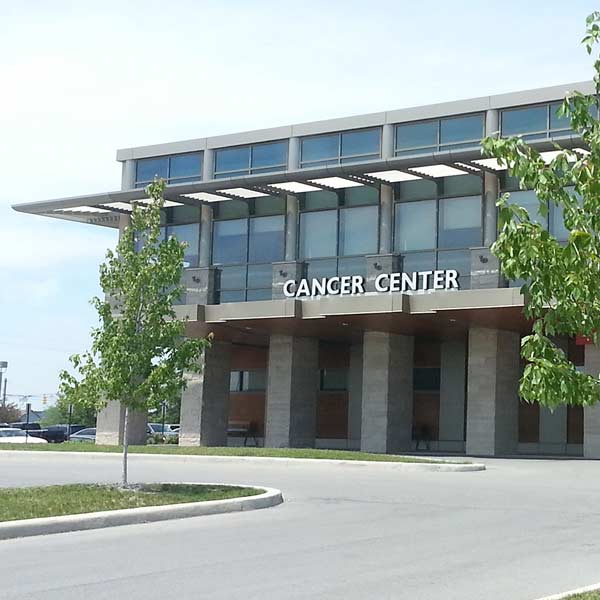
Specialty Care +1 more
Franciscan Health Oncology & Hematology Specialists, a department of Franciscan Health Indianapolis
8111 S. Emerson Ave. Suite 101 - Indianapolis, IN 46237
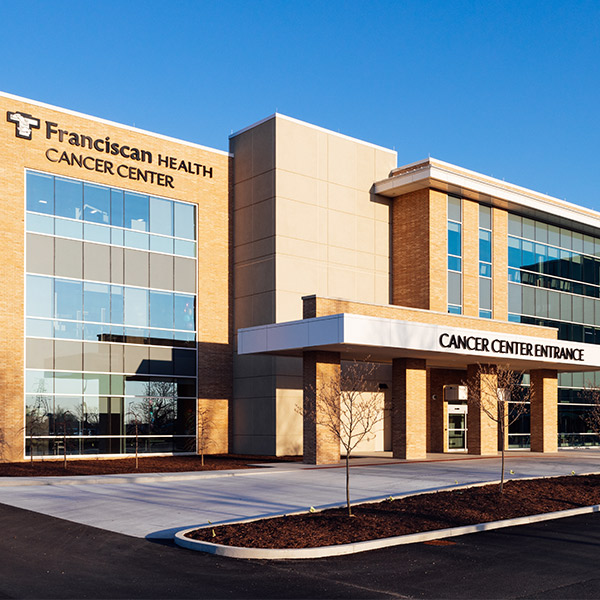
Specialty Care +1 more
Franciscan Health Oncology & Hematology Specialists, a department of Franciscan Health Lafayette
1701 South Creasy Lane Suite 310 - Lafayette, IN 47905