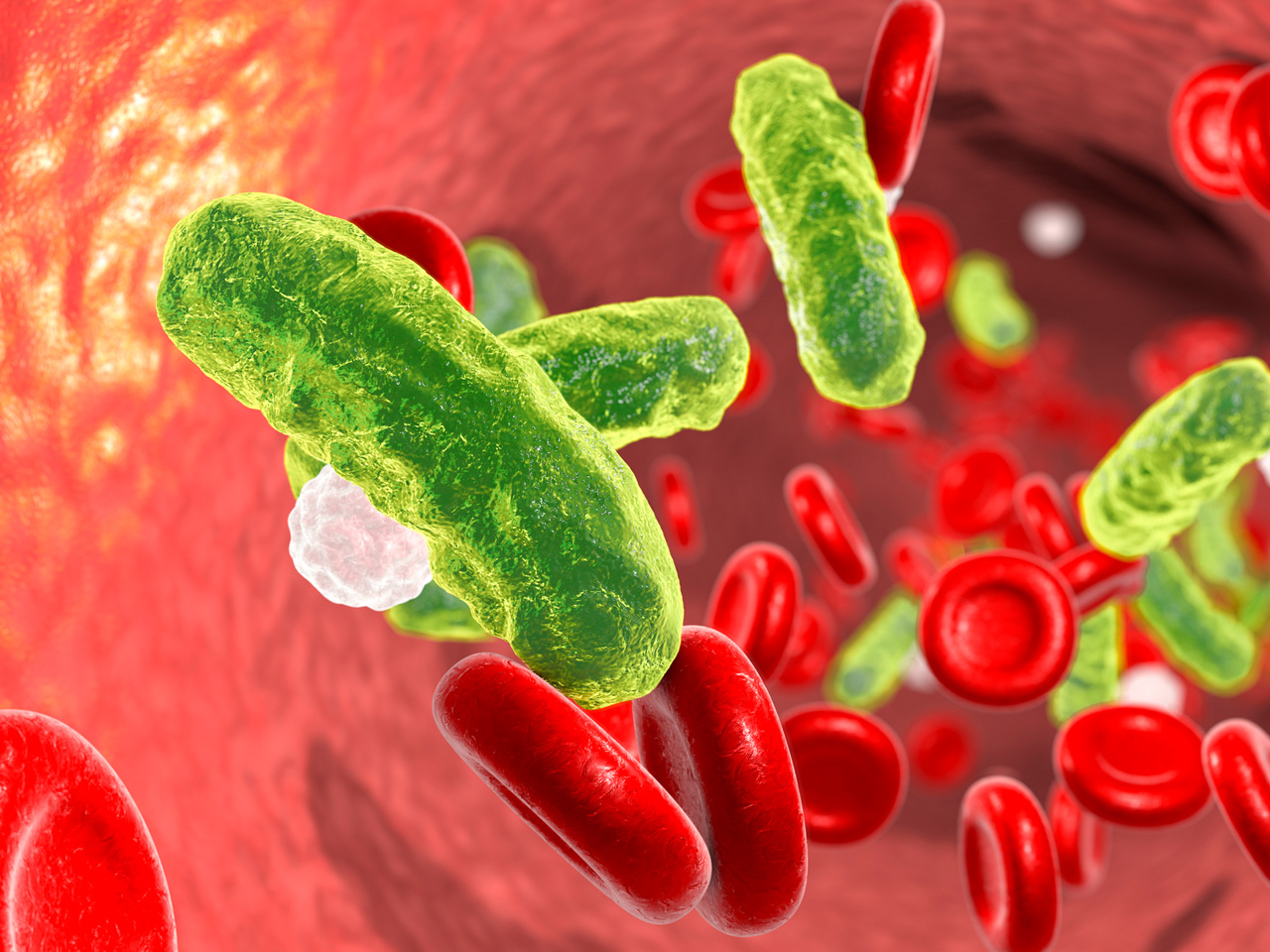
Sepsis
Our Approach
Because sepsis is a medical emergency, Franciscan Health doctors care for patients in a hospital intensive care unit (ICU). They will first try to stop inflammation by treating the infection. Treatment may involve broad-spectrum antibiotics that kill a wide range of bacteria.
Once our doctors identify the type of infection, they may switch the medication to a more effective one. During this process, patients receive oxygen and intravenous fluids to prevent extreme drops in blood pressure.
Our doctors also may use medicines including:
- Corticosteroids to reduce inflammation
- Insulin to stabilize blood sugar levels
- Painkillers and sedatives to alleviate pain and discomfort
- Vasopressors to increase blood pressure
How is sepsis diagnosed?
Your doctor may use blood tests to check for:
- A drop in the platelet count
- An abnormal white blood cell count
- High levels of blood acidity
- Infections
- Kidney and liver problems
Mucous and urine samples can help identify the underlying cause of sepsis, which is usually bacteria. Your doctor may also do imaging scans to locate the site of infection, including:
What is sepsis?
Sepsis occurs when infection-fighting chemicals released into the blood trigger a widespread inflammatory response. The resulting complications, such as leaky blood vessels and blood clotting, can reduce blood flow. This reduction can prevent organs from getting sufficient oxygen and nutrients, leading to organ failure.
In extreme cases, sepsis can cause septic shock. A drop in blood pressure and a weakening heart can lead to this life-threatening condition.
Sepsis can affect anyone, but it's most often seen in:
- Older adults
- People with weakened immune systems
Sepsis symptoms
Signs of sepsis include:
- Confusion
- Decreased urination
- Difficulty breathing
- Fever
- Hyperventilation
- Hypothermia
- Rapid heart rate
- Skin rash
- Stomach pain
Related Providers
Kristina L Scalzitti, DNP
Family Nurse Practitioner
Accepting New Patients
Offers Virtual Visits
Franciscan Physician Network


Marrium Siddiqui, DO
Infectious Disease
Accepting New Patients
Offers Virtual Visits
Franciscan Physician Network
Related Locations
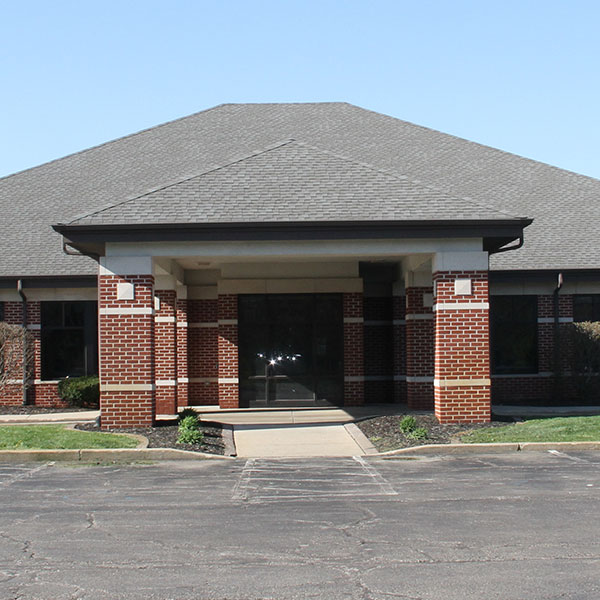
Primary Care Office
Franciscan Physician Network 400 North Health Center
8733 West 400 North - Michigan City, IN 46360
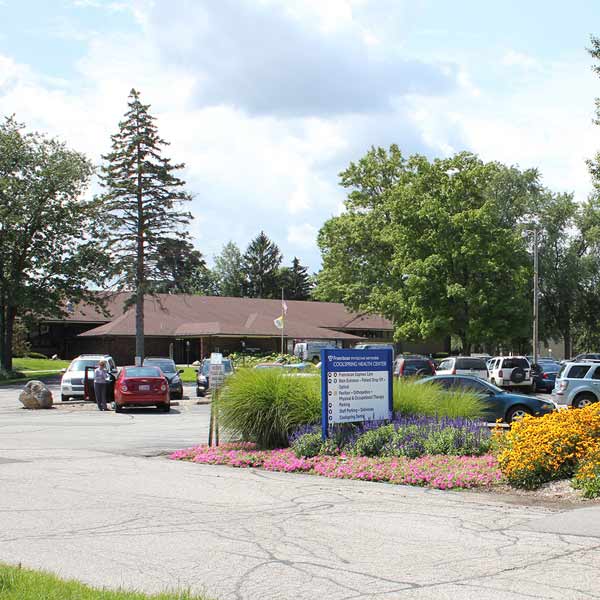
Multi-Specialty Clinic +1 more
Franciscan Physician Network Coolspring Health Center
1225 East Coolspring Avenue - Michigan City, IN 46360
Specialty Care
Franciscan Physician Network Infectious Disease Dyer
2150 Gettler Street - Dyer, IN 46311