
Request An Appointment
Don't wait, prioritize your health. Find the right Franciscan Health doctor for your needs, and request an appointment today.
Search the site for providers, locations, and content.
Cardiovascular disease and cancer are the two leading causes of death in the U.S., yet most people don't think about the possibility of facing both at once. The link between heart disease and breast cancer risk runs in both directions. Women with cardiovascular disease appear more likely to be diagnosed with breast cancer at a later stage, and some breast cancer treatments can leave lasting effects on the heart.
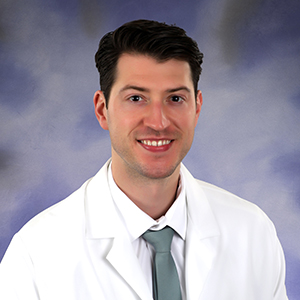
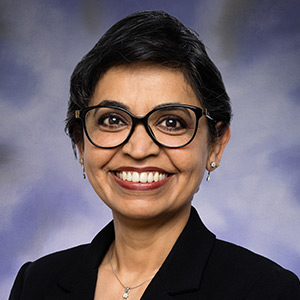
We asked two Franciscan Health cancer specialists to walk us through what researchers have found and what it means for women navigating both heart health and breast cancer risk. Ajita Narayan, MD, a cancer specialist at Franciscan Health Lafayette East, and Patrick Heckman, DO, a Franciscan Health medical oncologist at Franciscan Health Indianapolis, explain the latest research and how you can protect your heart.
Studies that look at cardiovascular disease and breast cancer stage at diagnosis found that patients with more advanced breast cancer at diagnosis were more likely also to have some form of cardiovascular disease. This is not the only research that points to a link. Earlier laboratory studies found that in mice with cardiovascular disease, certain proteins in the body promoted tumor growth.
This research suggests people with cardiovascular disease may be at higher risk of developing cancer, and if they are, it's more likely to be caught at a later, harder-to-treat stage. While the studies that drive this conversation focused on breast cancer, similar patterns have shown up in colon and prostate cancer as well.
There are a few theories researchers are still investigating. One reason is biological. The same proteins linked to cardiovascular disease may promote more aggressive tumor growth.
Another possibility is more about behavior than biology. Women with cardiovascular disease often have their hands full with appointments, medications and lifestyle changes tied to their heart.
"They could prioritize their cardiovascular health and pay less attention to other health risks. For example, they may delay their mammograms," Dr. Narayan said.
Right now, there isn't enough evidence to say that women with heart disease need a different early-detection plan. Research is still being done to determine if specific conditions, like a prior heart attack or stroke, carry more breast cancer risk than others, or whether cardiovascular disease as a whole is the relevant factor.
"We still have a lot of unanswered questions," Dr. Narayan said. For example, we don’t know if certain types of cardiovascular disease increase your risk — is it heart attack alone, stroke or all cardiovascular disease? While researchers continue to search for answers, my advice is that all women should be vigilant about detecting breast cancer early. And one of the best ways to do that is to have routine mammograms."
The American Cancer Society (ACS) recommends the following for women at average risk of breast cancer:
Your doctor may recommend a different schedule if you're at higher risk for breast cancer or have symptoms that need attention.
Some breast cancer treatments, including certain chemotherapy drugs and radiation therapy to the chest, can put extra strain on the cardiovascular system, and sometimes raise the risk of heart problems years after treatment ends. This is part of why cardio-oncology has become its own area of focus in cancer care — to help patients protect their hearts during and after treatment. The Franciscan Health Cardio-Oncology program is built around this kind of coordinated care.
Read about how you can protect your heart during and after cancer treatment.
Certain chemotherapy drugs used to treat breast cancer, including anthracyclines and some targeted therapies like trastuzumab, can affect how well the heart muscle pumps blood. For most patients, this effect is mild and temporary, but for some it can be more lasting. That's why your care team monitors your heart with tests like an echocardiogram before, during and sometimes after chemotherapy, to help catch any changes early.
Radiation to the chest, especially for cancer in the left breast, used to carry a real risk of affecting the heart. Radiation technology has changed that picture.
"There used to be a high risk of cardiac toxicity since your heart is on the left side," said Dr. Heckman. "That's not really seen as much anymore." Today's techniques target the tumor far more precisely and spare the tissue around it, including the heart, so this is a much smaller concern than it once was.
This is where survivorship comes in. Many of the habits that lower your risk of breast cancer — maintain a healthy weight, stay active and keep blood pressure in check — also protect your heart during and after treatment. In other words, the healthiest survivorship plan lowers both risks at once. Those habits aren't just about prevention — they can support how well you tolerate treatment and how strong your recovery is afterward.
You can’t change some breast cancer risk factors, like being a woman and getting older. But healthy habits can meaningfully lower your risk, and they double as protection for your heart:
These same habits help prevent cardiovascular conditions like heart attack, high cholesterol and stroke, which is exactly why they matter so much for anyone thinking about both conditions together.
Learn more about how healthy habits can reduce your cancer risk.
If you want a single place to start, physical activity is hard to beat.
"Physical activity benefits our bodies in so many ways," Dr. Narayan said. "It reduces the risk of chronic diseases such as cardiovascular disease, diabetes and certain cancers, including breast, prostate and colon cancers. Regular exercise also helps you feel better, function better and sleep better. For substantial health benefits, the goal is to get at least 150 minutes a week of moderate aerobic activity or 75 minutes a week of vigorous aerobic activity (or a combination of both).
"You can start small. For example, let’s say you only have 15 minutes to spare today. You can spend five minutes going up and down the stairs, another five minutes walking in your neighborhood and another five doing squats in your living room.
"Get your heart rate up and keep track of your progress. It may not seem like a lot, but small choices can make a big difference in your health and overall well-being."
A study, Cardiovascular Disease and Breast Cancer Stage at Diagnosis, in the Journal of the American Medical Association (JAMA) Open Network, concluded that patients with advanced breast cancer at the time of diagnosis were more likely to have or suffer from some type of cardiovascular disease.
The JAMA study focused on breast cancer. But the same phenomenon seems to happen in other cancers, such as colon and prostate cancer.
"This study isn’t the first to suggest a link," Dr. Narayan said. "Previous research, for example, showed that in mice with cardiovascular disease, specific proteins in the body promote fast-growing tumors. Taken together, these studies suggest that people who have cardiovascular disease are at higher risk of getting cancer. And, if they do get cancer, it’s likely to be at a more advanced stage."
"The preclinical study I mentioned gives one possible explanation: specific proteins promote aggressive tumor growth in people with cardiovascular disease. Researchers continue to study this theory," Dr. Narayan said. "Another possibility is that women with cardiovascular disease are diagnosed with breast cancer later in the disease process than other women. They could prioritize their cardiovascular health and pay less attention to other health risks. For example, they may delay their mammograms. All of these factors may help explain why women with cardiovascular disease are at increased risk for advanced breast cancer."
Several healthy lifestyle habits can help reduce your cancer risk and prevent cardiovascular diseases such as heart attack, high cholesterol and stroke.

Hematology & Oncology +1 more
Accepting new patients
Franciscan Physician Network

Hematology & Oncology +3 more
Accepting new patients
Franciscan Physician Network