Chemotherapy
About This Treatment
Chemotherapy is the most common treatment for cancer. A chemotherapy drug may be given alone or combined with other drugs and therapies to treat cancer directly, shrink tumors before surgery, or alleviate symptoms of a disease.
What does a chemotherapy session look like?
At Franciscan Health, your initial chemotherapy session will include a tour of our treatment team, facilities and amenities, as well as a thorough explanation of prescribed medications and interventions for side effects and physical changes during your treatment.
Before each chemotherapy session your medical team will address any questions and concerns and provide you with physician contact information for after-hours or weekends. Duration is dependent on your prescribed treatment and will be discussed during this time.
Pre-medications and chemotherapy are given through an IV or access port administered by one of our nurses trained in infusion therapy. Pre-medications help to minimize potential side effects and may not be required for all patients.
Side effects of chemotherapy
Doctors, nurses, pharmacists, social service staff and dieticians help to coordinate home aspects of treatment so that you remain as comfortable as possible. Side effects of chemotherapy are dependent on factors like type of cancer and specific medication. Fortunately, these can often be managed through open-communication between you and your treatment team.
Common side effects of chemotherapy include but are not limited to:
- Nausea
- Anemia
- Hair loss
- Fatigue
- Nerve pain
- Infection
- Constipation
Connect With A Nurse
Franciscan Health Oncology Nurse Navigators serve a special and important role. As registered nurses specially trained in cancer care, they serve as personal guides and advocates, walking alongside our patients and their families during their cancer journey by providing:
- A single point of contact for the care team
- Education and information about your diagnosis, treatment options and care plan
- Assistance with timely appointments, insurance issues and access to resources
- Emotional support and encouragement
Related Providers
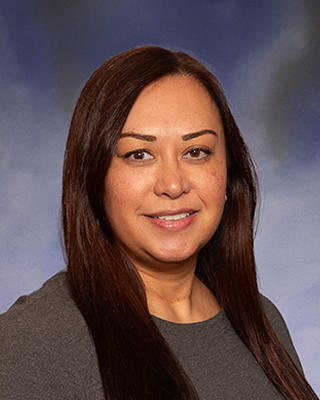
Jacqueline A Johnson, PA
Physician Assistant
Accepting New Patients
Offers Virtual Visits
Franciscan Physician Network

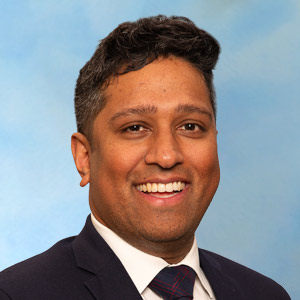
Jeremy Philip Johns, MD
Internal Medicine
Accepting New Patients
Offers Virtual Visits
Franciscan Physician Network
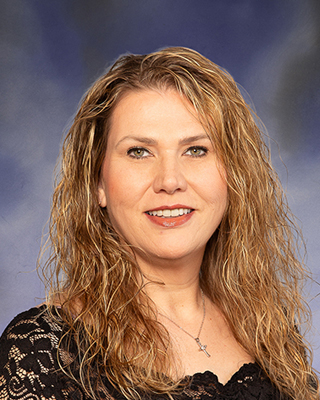
Alicia S Rothchild, NP-C
Nurse Practitioner +1 more
Accepting New Patients
Offers Virtual Visits
Franciscan Physician Network
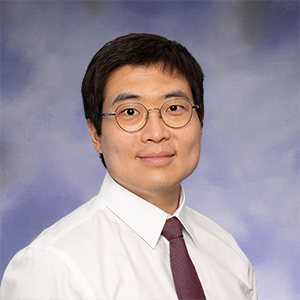
William H Bae, MD
Hematology & Oncology +1 more
Accepting New Patients
Offers Virtual Visits
Franciscan Physician Network
Related Locations
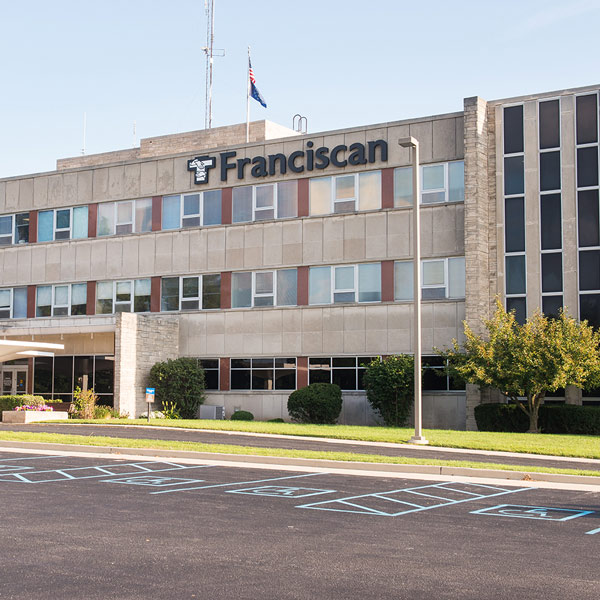
Specialty Care +1 more
Franciscan Health Cancer Center Rensselaer
1104 E. Grace Street - Rensselaer, IN 47978
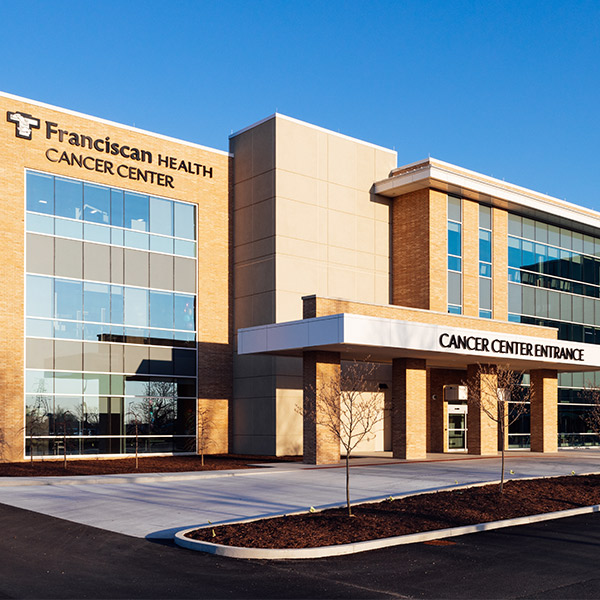
Specialty Care +1 more
Franciscan Health Oncology & Hematology Specialists, a department of Franciscan Health Lafayette
1701 South Creasy Lane Suite 310 - Lafayette, IN 47905
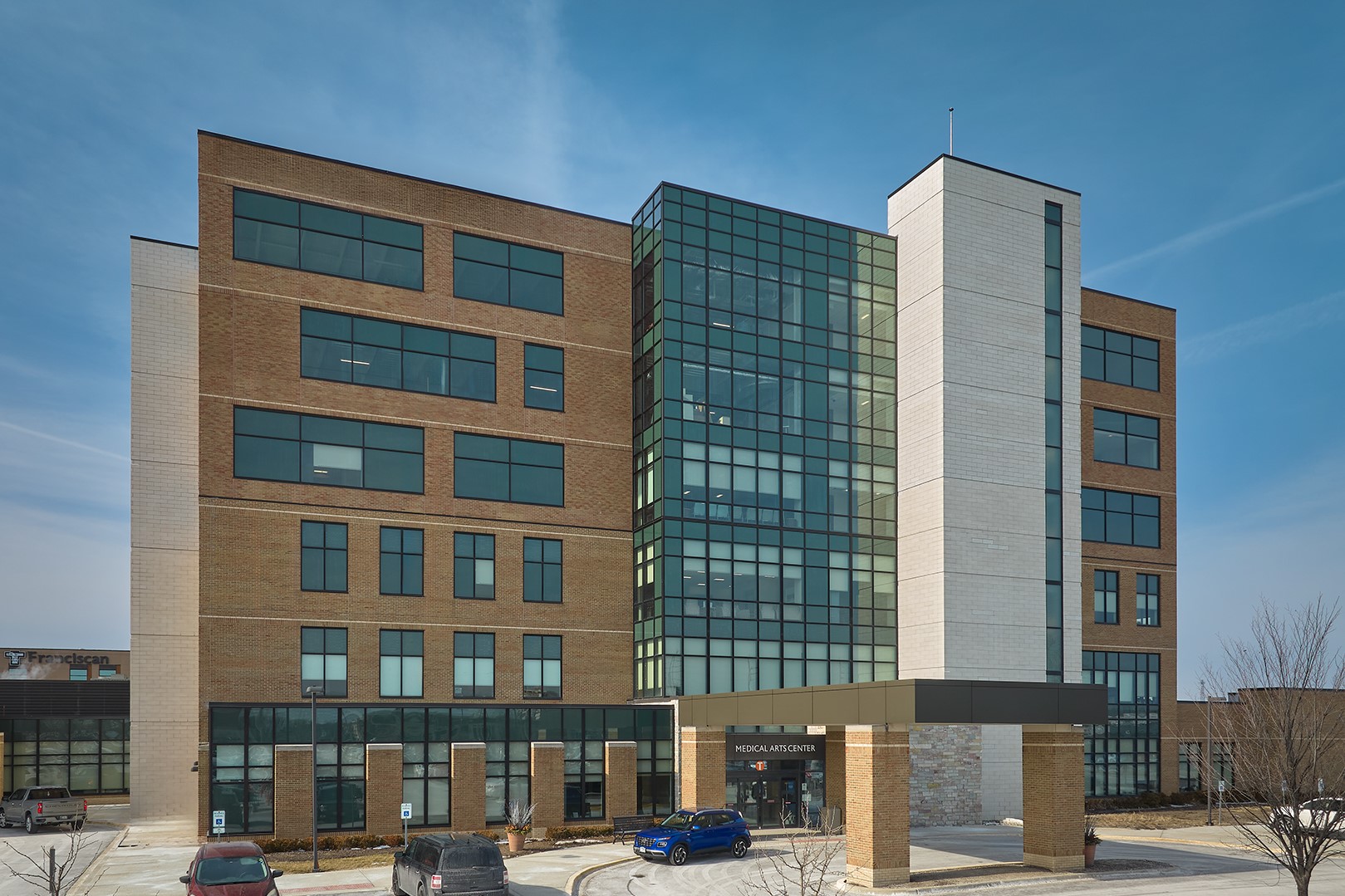
Specialty Care
Franciscan Physician Network Hematology & Oncology Specialists Munster
701 Superior Avenue Suite 6100 - Munster, IN 46321