Uterine Fibroids
Our Approach
Our doctors base uterine fibroid treatment on your symptoms. We have treatments that can reduce or stop heavy bleeding and protect your fertility if tha's a priority.
Fibroid treatment
If fibroids cause few or no symptoms, your doctor may recommend a watch-and-wait approach. Your gynecologist may perform regular pelvic exams and ultrasounds to check the fibroids, but you won’t need treatment unless your symptoms change.
Treatments depend on the size and location of the fibroids, as well as your symptoms, and may include:
- Medication: Pain medication or hormonal therapy can help.
- Surgery: Minimally invasive procedures can remove or shrink fibroids and reduce bleeding.
Diagnosing fibroids
Your doctor or gynecologist can diagnose uterine fibroids with a pelvic exam. Other tests your doctor may perform include:
- Blood test: We use this test to check for anemia, bleeding disorders or thyroid problems.
- Imaging: We use ultrasound, X-ray or MRI to check the size and location of fibroids. We may perform other special imaging tests to determine if fibroids are affecting fertility.
What are fibroids?
Uterine fibroids are noncancerous (benign) tumors. They grow in the wall of the uterus, which consists of muscle and connective tissue. They may also grow into the inside cavity or outer surface of the uterus.
Fibroids can grow in single nodules or in larger clusters. They can be very small or as large as 8 inches in diameter. We do not know what causes uterine fibroids.
Uterine fibroids almost never develop into cancer. You should see a doctor if you experience:
- Rapid growth of fibroids
- Growth of fibroids during menopause
Risk factors for uterine fibroids
Fibroids are common in women of reproductive age. They are rare in girls who haven't had their first menstrual period and typically decrease or disappear after menopause.
Black women are two to three times more likely than white women to get fibroids. Other risk factors include:
- Early onset of menstruation
- Family history of fibroids
- Late menopause
- Not having children
- Obesity
Fibroid symptoms
Signs and symptoms of fibroids include:
- Heavy or prolonged menstrual bleeding
- Bleeding between periods
- Constipation, frequent urination or difficulty emptying bladder
- Frequent vaginal discharge
- Full feeling in lower abdomen
- Infertility
- Low back pain
- Painful sexual intercourse
- Pelvic pressure or pain
- Severe menstrual cramps
Related Providers

David Preskill, MD
Obstetrics & Gynecology
Accepting New Patients
Franciscan Physician Network

Leah Butler, MD
Accepting New Patients
Offers Virtual Visits
Franciscan Physician Network

Reece E Clark, MD
Obstetrics & Gynecology
Accepting New Patients
Franciscan Physician Network

Avani Patel, MD
Obstetrics & Gynecology
Accepting New Patients
Offers Virtual Visits
Franciscan Physician Network
Eva K Welch, MD
Obstetrics & Gynecology +1 more
Accepting New Patients
Franciscan Physician Network

Brittany N Sherron, MD
Obstetrics & Gynecology +1 more
Accepting New Patients
Franciscan Physician Network
Emily Patterson-Ballinger, CNM
Midwife +1 more
Accepting New Patients
Franciscan Physician Network

Susan Murrey, MD
Obstetrics & Gynecology
Accepting New Patients
Franciscan Physician Network

Julie Ann Langston, NP
Women's Health Nurse Practitioner
Accepting New Patients
Offers Virtual Visits
Franciscan Physician Network

DOMINIC SCHAUT, DO
Accepting New Patients
Offers Virtual Visits
Franciscan Physician Network
Thalia Pachiyannakis, MD
Obstetrics & Gynecology
Accepting New Patients
Franciscan Physician Network
Related Locations

Specialty Care +1 more
Franciscan Health Family Birth Center Dyer
24 Joliet Street - Dyer, IN 46311
Specialty Care
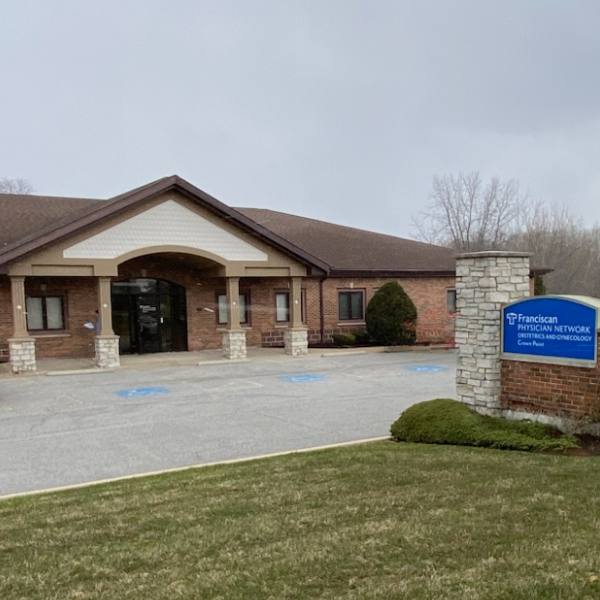
Franciscan Physician Network Obstetrics & Gynecology Crown Point
800 West Burrell Drive - Crown Point, IN 46307
Specialty Care +1 more
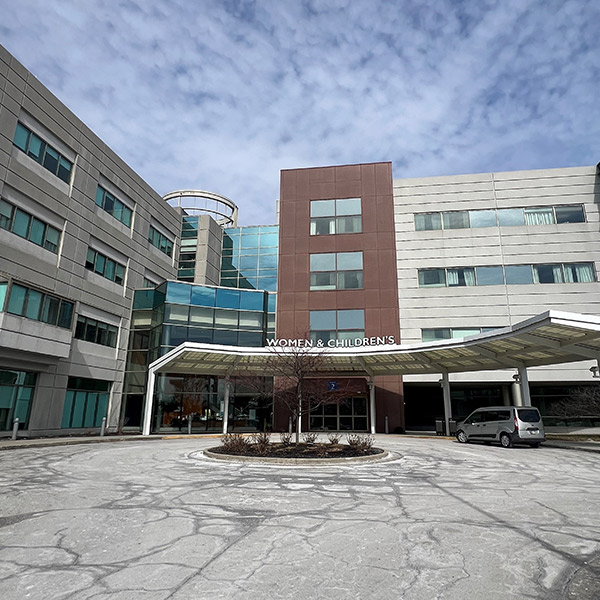
Franciscan Health Family Birth Center Indianapolis
8111 S. Emerson Ave. - Indianapolis, IN 46237