Pulmonary Fibrosis
Our Approach
Pulmonary fibrosis is progressive lung hardening due to damage from certain chemicals and dust, genetics and other factors. The doctors at Franciscan Health offer compassionate diagnosis and treatment for pulmonary fibrosis.
How is pulmonary fibrosis treated?
Pulmonary fibrosis causes lung damage that can't be repaired. Medications and therapies can help the symptoms. Researchers are evaluating several experimental drugs that try to slow the disease.
Many people living with pulmonary fibrosis need additional oxygen in a portable tank. An exercise program, such as pulmonary rehabilitation, can also help you breathe easier.
Some people may be candidates for a lung transplant. Doctors sometimes consider lung transplantation for patients younger than 65 who have severe symptoms.
What is pulmonary fibrosis?
Pulmonary fibrosis happens when damaged lung tissue becomes stiff. Fibrosis starts at the edges of the lungs and spreads to the center. As it progresses, breathing becomes difficult.
Pulmonary fibrosis leads to permanent lung disease and respiratory failure. Eventually, it is fatal. The disease affects 130,000 Americans.
What causes pulmonary fibrosis?
Several factors lead to lung scarring and fibrosis. In many cases, doctors don't know exactly what causes it. These cases are known as idiopathic pulmonary fibrosis (IPF). A recent theory indicates that specific microorganisms may play a role.
Genetic (inherited) and environmental factors can lead to increased risk. Doctors also know that long-term exposure to these types of dust or chemicals can damage the lungs:
- Silica dust
- Asbestos
- Bird and animal waste
- Chemicals and dust on the job, for farmers, ranchers, hairdressers, metal workers and stone cutters
How is pulmonary fibrosis diagnosed?
Doctors perform several tests to diagnose pulmonary fibrosis, first ruling out other lung diseases. You may have: /p>
- Blood tests
- CT (computerized tomography) scan
- Exercise stress test
- Lung biopsy (taking a small sample of lung tissue)
- Oxygen test
- X-rays
Who is likely to get pulmonary fibrosis?
Men, people who smoke and individuals aged 40 to 70 years have the highest risk. People who receive radiation therapy for lung or breast cancer may also develop lung damage, depending on treatment length and dose. Chemotherapy drugs, heart medicine and some antibiotics can cause lung damage, too.
Most people with pulmonary fibrosis receive a diagnosis after age 60.
Pulmonary fibrosis symptoms
Pulmonary fibrosis develops over time. It changes the lung's ability to function, making it harder to deliver oxygen throughout the body. Symptoms may not be noticeable until the disease is advanced.
Signs of pulmonary fibrosis include:
- Aching muscles and joints
- Dry cough
- Enlarged nails and fingertips
- Fatigue
- Shortness of breath
- Weight loss
Health Risk Assessment
What's your score? Take our LungCancerAware assessment, and in just minutes, receive a free, confidential analysis of your current risk factors for developing lung disease.
Related Providers
Rebecca E Rizo, NP
Nurse Practitioner +1 more
Accepting New Patients
Offers Virtual Visits
Franciscan Physician Network

Related Locations
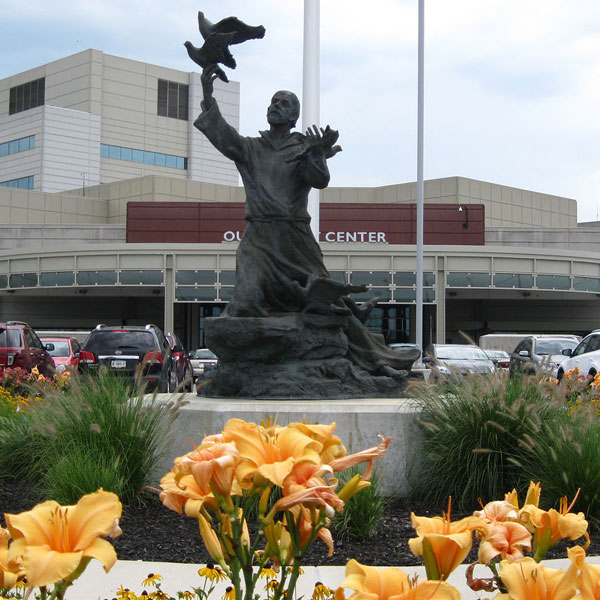
Specialty Care +1 more
Franciscan Health Interventional Pulmonology Clinic Indianapolis
8111 South Emerson Avenue - Indianapolis, IN 46237
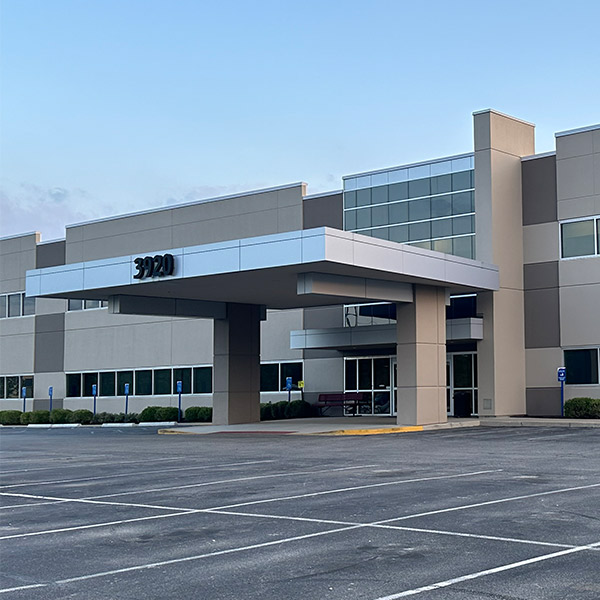
Hospital Department +1 more
Franciscan Health Pulmonary & Critical Care, a department of Franciscan Health Lafayette
3920 St. Francis Way Suite 220 - Lafayette, IN 47905
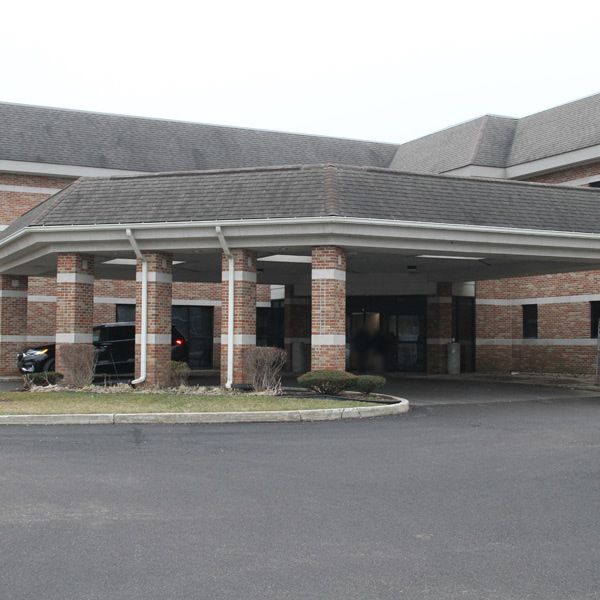
Multi-Specialty Clinic
Franciscan Physician Network LaPorte Health Center
900 I Street - LaPorte, IN 46350