Cancer Second Opinion
About This Program
A second opinion for cancer helps you understand your options so that you can select the best cancer treatment plan. During your appointment, our team of experts review your case and treatment options, including access to research and clinical trials. A cancer nurse navigator may be assigned to you to help determine what service is needed.
Second opinions are available for newly diagnosed cancer patients as well as those who have experienced a change in their condition, such as re-occurrence, and need reassessments or more extensive evaluations.
Reasons to get a second opinion for cancer
Getting a second opinion is your right as a cancer patient. A cancer second opinion can help you to understand all your options and feel confident about your treatment plan.
- An accurate cancer diagnosis is critical. Cancer is a complicated disease and it takes a level of sophistication and expertise to diagnose correctly.
- Know the extent of your cancer before beginning treatment. The most important treatment decision you will make is the first treatment. It is important that your cancer has been staged correctly. A clear understanding of the stage of your cancer and location will determine the best treatment plan for you.
- Cancer treatment should be highly individualized. It is important that you gather as much information as possible and make an informed decision that is best for you and your quality of life.
Connect With A Nurse
Franciscan Health Oncology Nurse Navigators serve a special and important role. As registered nurses specially trained in cancer care, they serve as personal guides and advocates, walking alongside our patients and their families during their cancer journey by providing:
- A single point of contact for the care team
- Education and information about your diagnosis, treatment options and care plan
- Assistance with timely appointments, insurance issues and access to resources
- Emotional support and encouragement
Related Providers
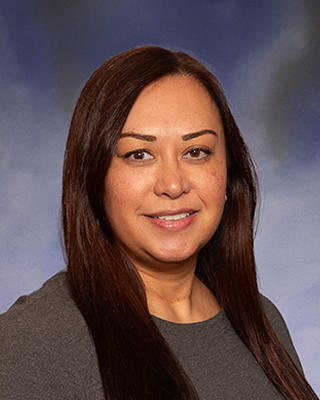
Jacqueline A Johnson, PA
Physician Assistant
Accepting New Patients
Offers Virtual Visits
Franciscan Physician Network


Jeremy Philip Johns, MD
Internal Medicine
Accepting New Patients
Offers Virtual Visits
Franciscan Physician Network

William H Bae, MD
Hematology & Oncology +1 more
Accepting New Patients
Offers Virtual Visits
Franciscan Physician Network
Related Locations
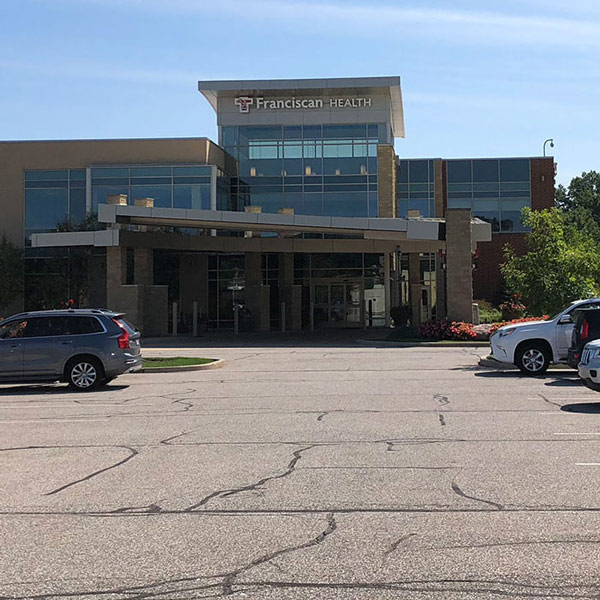
Specialty Care +1 more
Franciscan Health Infusion Center Chesterton
770 Indian Boundary Road - Chesterton, IN 46304
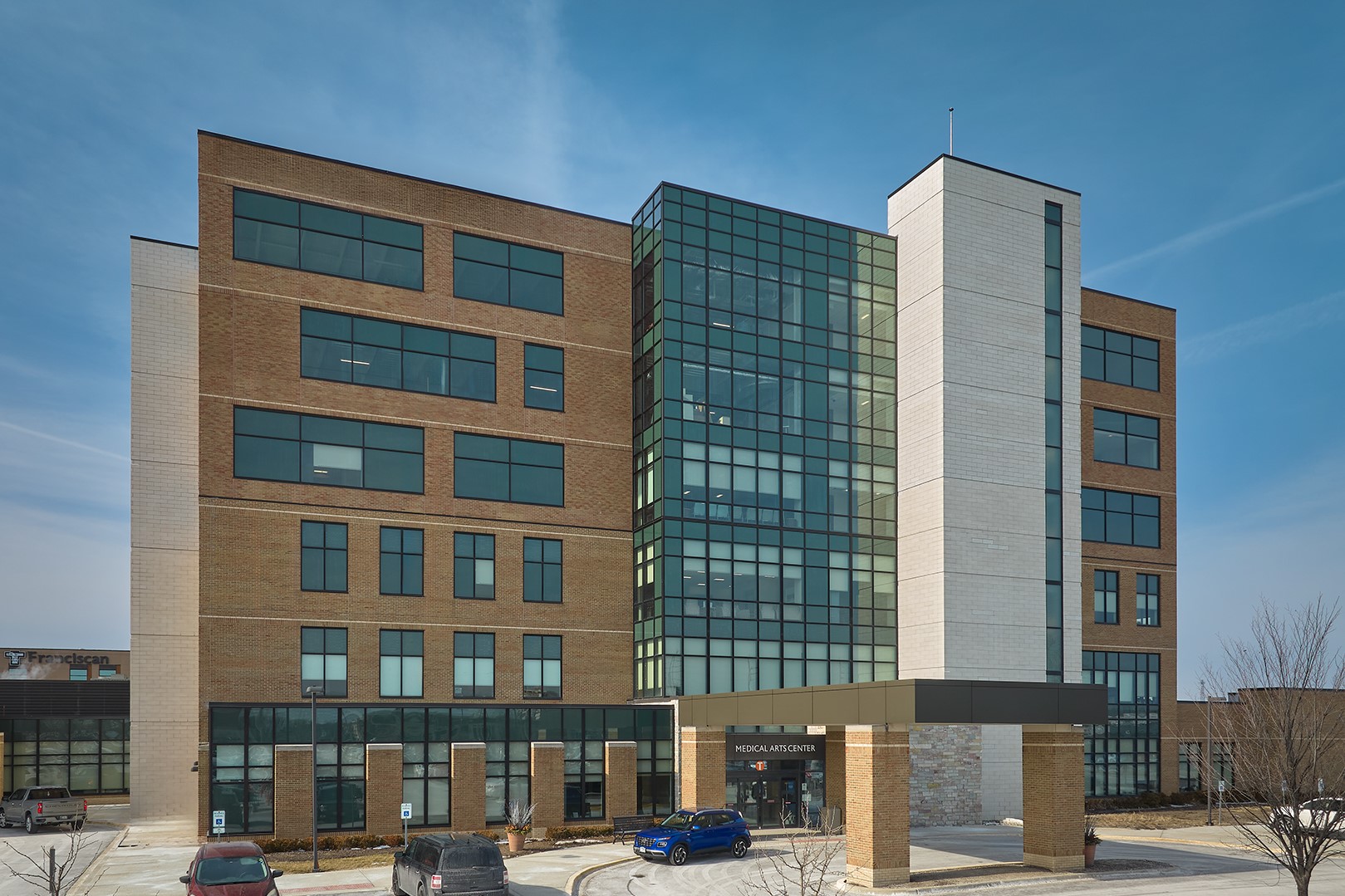
Specialty Care
Franciscan Physician Network Hematology & Oncology Specialists Munster
701 Superior Avenue Suite 6100 - Munster, IN 46321
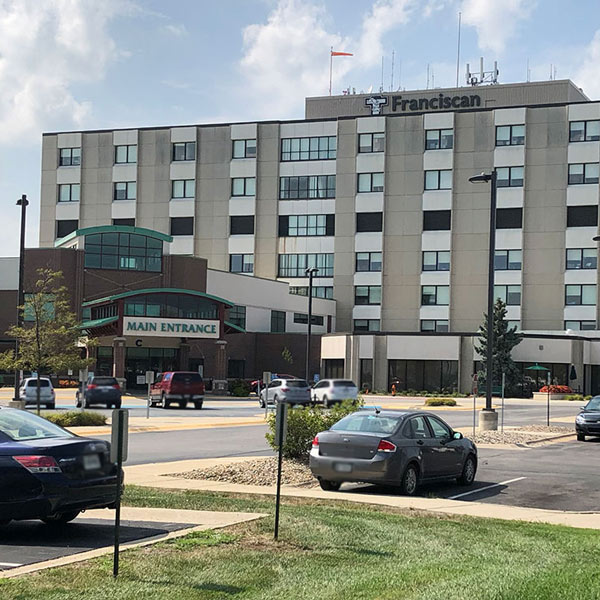
Specialty Care +1 more
Franciscan Health Infusion Center Crown Point
1201 South Main Street - Crown Point, IN 46307