Head & Neck Cancer
Our Approach
Head and neck cancer is any cancer in which tumors form in the throat (pharynx), voice box (larynx), or tube between your mouth and stomach (esophagus).
Diagnosing head and neck cancer
Head and neck cancer can be diagnosed through a variety of means including an endoscope (a lighted instrument that provides video images of the throat), laryngoscope, physical exam, chest x-ray, scanning the esophagus with a camera (esophagoscopy), esophagus biopsy or a barium swallow.
If cancer is detected, you may be referred to an oncologist who will use further testing to determine the cancer’s stage.
Radiation, chemotherapy, laser therapy, electrocoagulation (electric current) and surgery (especially in the instance of esophageal cancer) are all common forms of head and neck cancer treatment. In more advanced stages of cancer, surgery may be more invasive and can affect how a patient breathes, speaks or swallows; if the voice box is removed, a speech pathologist will teach the patient how to communicate.
Following treatment, patients often have specific nutritional needs as eating and swallowing can be difficult.
Related Providers
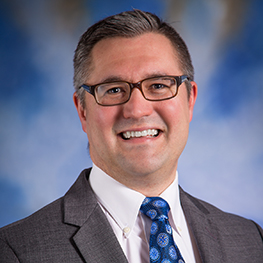
Matthew J Provenzano, MD
Pediatric Otolaryngology +1 more
Accepting New Patients
Franciscan Physician Network

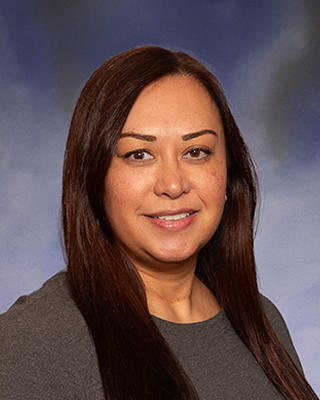
Jacqueline A Johnson, PA
Physician Assistant
Accepting New Patients
Offers Virtual Visits
Franciscan Physician Network

Chad Glazer, MD
Otolaryngology/Facial Plastic Surgery +2 more
Accepting New Patients
Franciscan Physician Network

Jeremy Philip Johns, MD
Internal Medicine
Accepting New Patients
Offers Virtual Visits
Franciscan Physician Network

Alicia S Rothchild, NP-C
Nurse Practitioner +1 more
Accepting New Patients
Offers Virtual Visits
Franciscan Physician Network
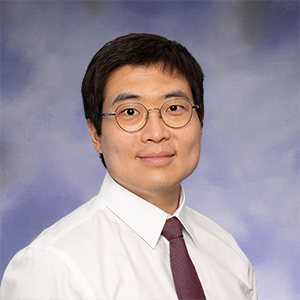
William H Bae, MD
Hematology & Oncology +1 more
Accepting New Patients
Offers Virtual Visits
Franciscan Physician Network
Related Locations
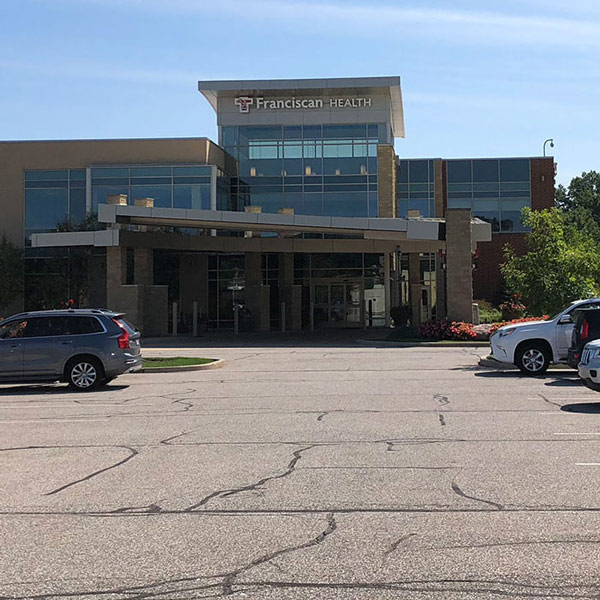
Specialty Care +1 more
Franciscan Health Infusion Center Chesterton
770 Indian Boundary Road - Chesterton, IN 46304
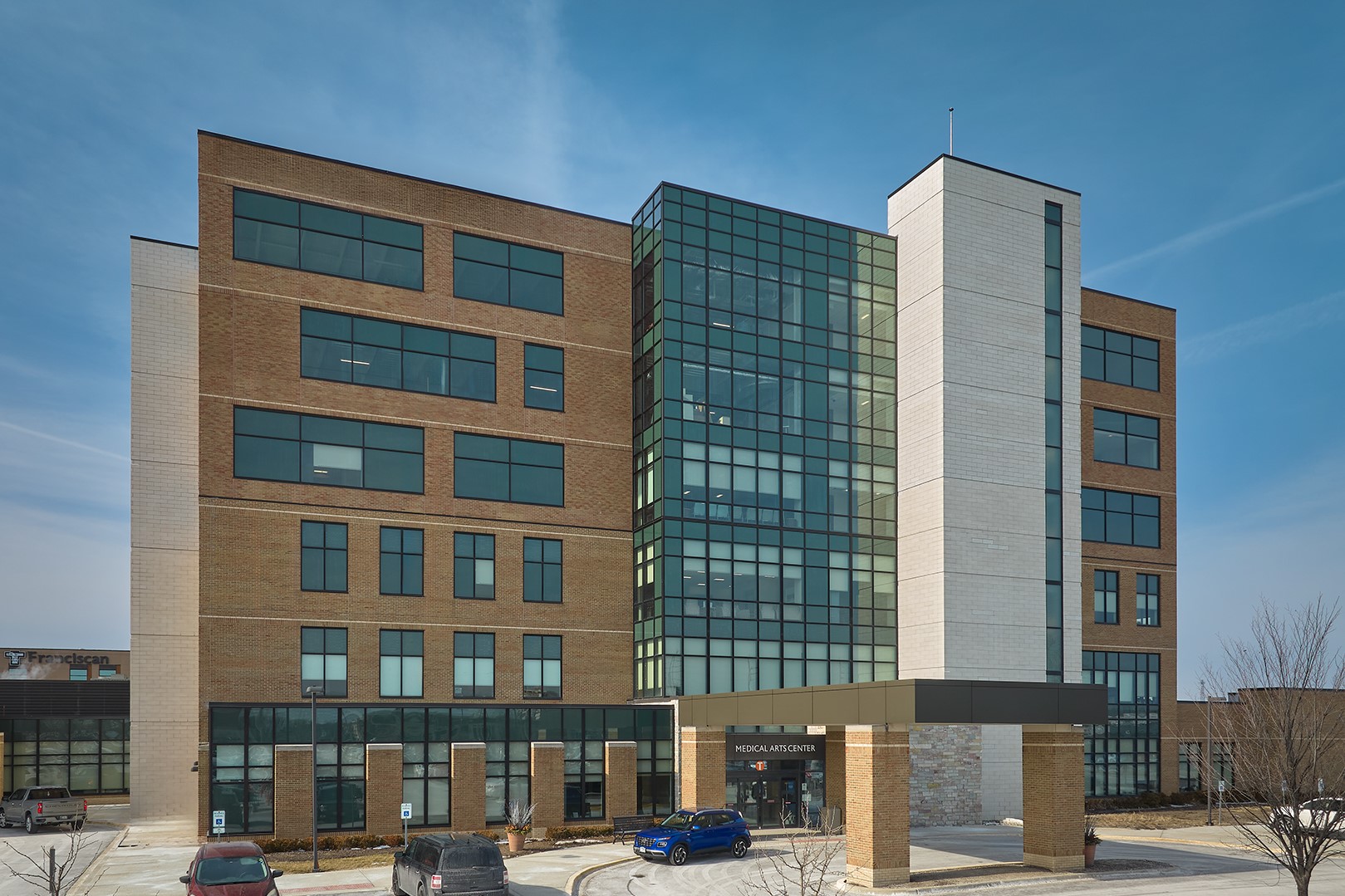
Specialty Care
Franciscan Physician Network Hematology & Oncology Specialists Munster
701 Superior Avenue Suite 6100 - Munster, IN 46321
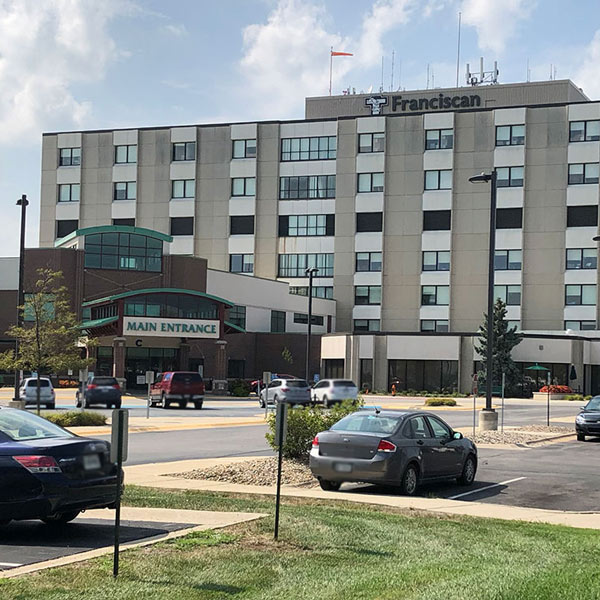
Specialty Care +1 more
Franciscan Health Infusion Center Crown Point
1201 South Main Street - Crown Point, IN 46307