Oral Cancer
Our Approach
A common treatment for oral cancer is surgery, which will remove the cancerous tissue in the mouth and, if necessary, lymph nodes in the neck. In some cases, when larger tumors are present, parts of the jaw or tongue may be removed.
What is oral/mouth cancer?
Oral cancer, or mouth cancer, is the growth of abnormal, invasive cells that damage healthy cells on the lips, tongue, inside of the cheeks, gums, or the roof of the mouth and floor of the mouth. It is more prevalent in men, especially those over the age of 50, than in women.
How is mouth cancer diagnosed?
White patches known as leukoplakia can indicate to your physician or dentist that cancer is present, though these are not cancerous themselves. In this instance, your doctor may perform a biopsy. If cancer is found, you may be referred to an oncologist for further testing to determine the cancer’s stage.
Connect With A Nurse
Franciscan Health Oncology Nurse Navigators serve a special and important role. As registered nurses specially trained in cancer care, they serve as personal guides and advocates, walking alongside our patients and their families during their cancer journey by providing:
- A single point of contact for the care team
- Education and information about your diagnosis, treatment options and care plan
- Assistance with timely appointments, insurance issues and access to resources
- Emotional support and encouragement
Treatments & Procedures
Programs & Support
Related Providers
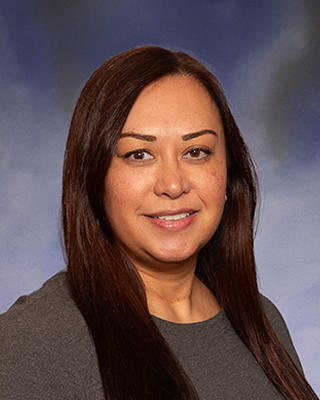
Jacqueline A Johnson, PA
Physician Assistant
Accepting New Patients
Offers Virtual Visits
Franciscan Physician Network

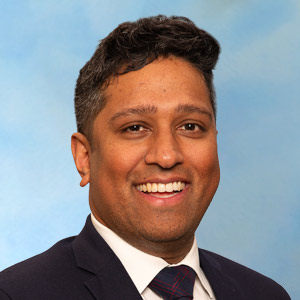
Jeremy Philip Johns, MD
Internal Medicine
Accepting New Patients
Offers Virtual Visits
Franciscan Physician Network
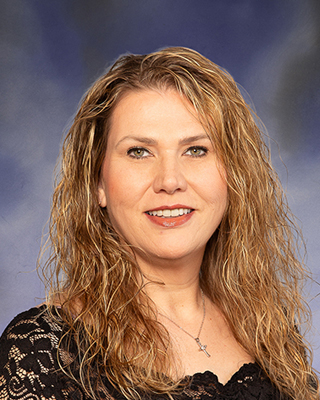
Alicia S Rothchild, NP-C
Nurse Practitioner +1 more
Accepting New Patients
Offers Virtual Visits
Franciscan Physician Network
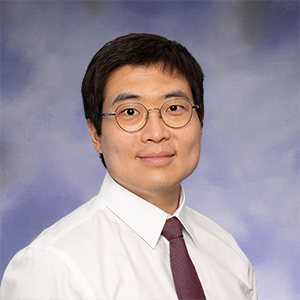
William H Bae, MD
Hematology & Oncology +1 more
Accepting New Patients
Offers Virtual Visits
Franciscan Physician Network
Related Locations
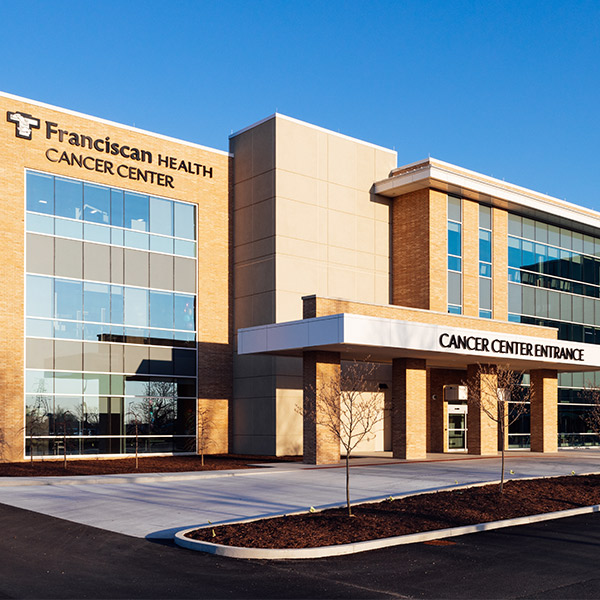
Specialty Care +1 more
Franciscan Health Oncology & Hematology Specialists, a department of Franciscan Health Lafayette
1701 South Creasy Lane Suite 310 - Lafayette, IN 47905
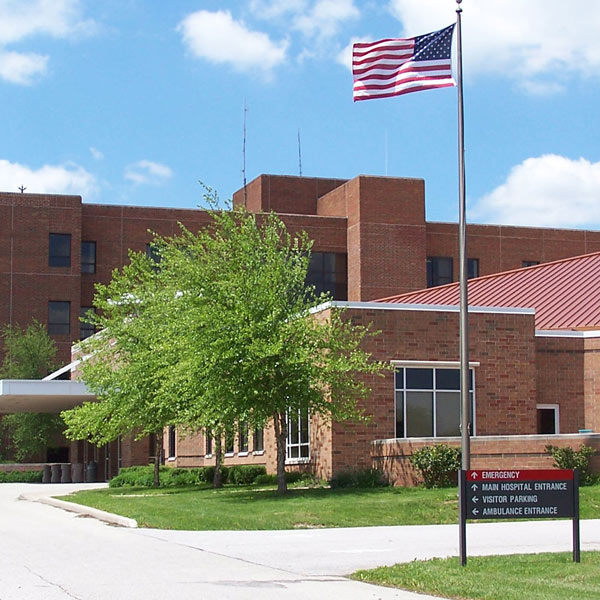
Specialty Care
Franciscan Physician Network Oncology & Hematology Specialists Greencastle
1542 South Bloomington Street - Greencastle, IN 46135
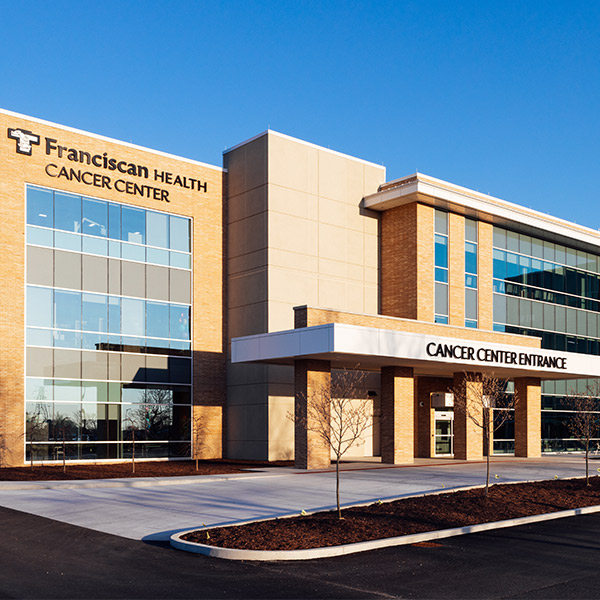
Specialty Care +1 more
Franciscan Health Cancer Center Lafayette
1701 S. Creasy Lane - Lafayette, IN 47905